
Best Car Insurance Companies for Minimum Coverage — North Carolina
Free to compare
Which Carriers Write the Best Multi-Car Minimum-Coverage Policies in North Carolina
You own two or three vehicles, you want to insure all of them at North Carolina's minimum liability limits on one policy, and you need to know which carriers will give you the best combined rate without forcing you to call an agent every time you add a car. The carriers that advertise the lowest single-vehicle minimum-coverage rates do not always offer the same advantage when you add a second or third vehicle to the policy, and North Carolina's mandatory uninsured-motorist coverage requirement changes the competitive landscape compared to states where that coverage is optional.
North Carolina requires $50,000 bodily injury per person, $100,000 bodily injury per accident, and $50,000 property damage on every vehicle, plus uninsured motorist coverage at the same limits. Every vehicle on your policy must carry that floor. When you add a second vehicle mid-term, the policy re-rates immediately based on the new vehicle's characteristics and garaging address, and the multi-car discount applies only when every vehicle sits on the same policy with the same named insured. The carriers below write multi-car minimum-coverage policies in North Carolina and allow online policy management for adding vehicles without requiring an agent call.
“A carrier with a smaller discount on a lower uninsured-motorist base rate can beat a carrier with a larger discount on a higher base.”

Compare North Carolina Car Insurance Quotes Today
Get My North Carolina Car Insurance Quote50/100/50
NC Minimum Liability Limits
North Carolina mandates $50,000 bodily injury per person, $100,000 bodily injury per accident, and $50,000 property damage. Uninsured motorist coverage at the same limits is also required on every vehicle.
North Carolina Department of Insurance
How North Carolina's Uninsured Motorist Requirement Changes Multi-Car Pricing
North Carolina is one of the states that mandates uninsured motorist coverage at the same limits as your liability coverage. That requirement adds a base cost to every vehicle on your policy that does not exist in states where uninsured motorist is optional. When you compare carriers for a multi-car minimum-coverage policy, you are comparing how each carrier prices that mandatory uninsured-motorist layer across multiple vehicles, not just the liability premium.
Carriers that compete aggressively on liability-only minimum coverage in optional-uninsured-motorist states do not always maintain the same pricing advantage in North Carolina. The uninsured-motorist mandate shifts the competitive balance toward carriers with lower uninsured-motorist base rates, and those carriers are not always the same ones that advertise the lowest liability quotes. When you add a second vehicle, the uninsured-motorist premium for that vehicle stacks on top of the first vehicle's premium, and the multi-car discount applies to the combined total. A carrier with a smaller discount on a lower uninsured-motorist base rate can deliver a better combined premium than a carrier with a larger discount on a higher base.
The 11.8% uninsured-motorist rate in North Carolina makes this coverage layer material to your total cost. Carriers price uninsured-motorist coverage based on the risk that you will file a claim against an uninsured driver, and that risk varies by county, commute density, and vehicle type. When you add a vehicle garaged at a different address or driven by a household member with a different commute pattern, the uninsured-motorist premium for that vehicle reflects its own risk profile, not an average across the policy.
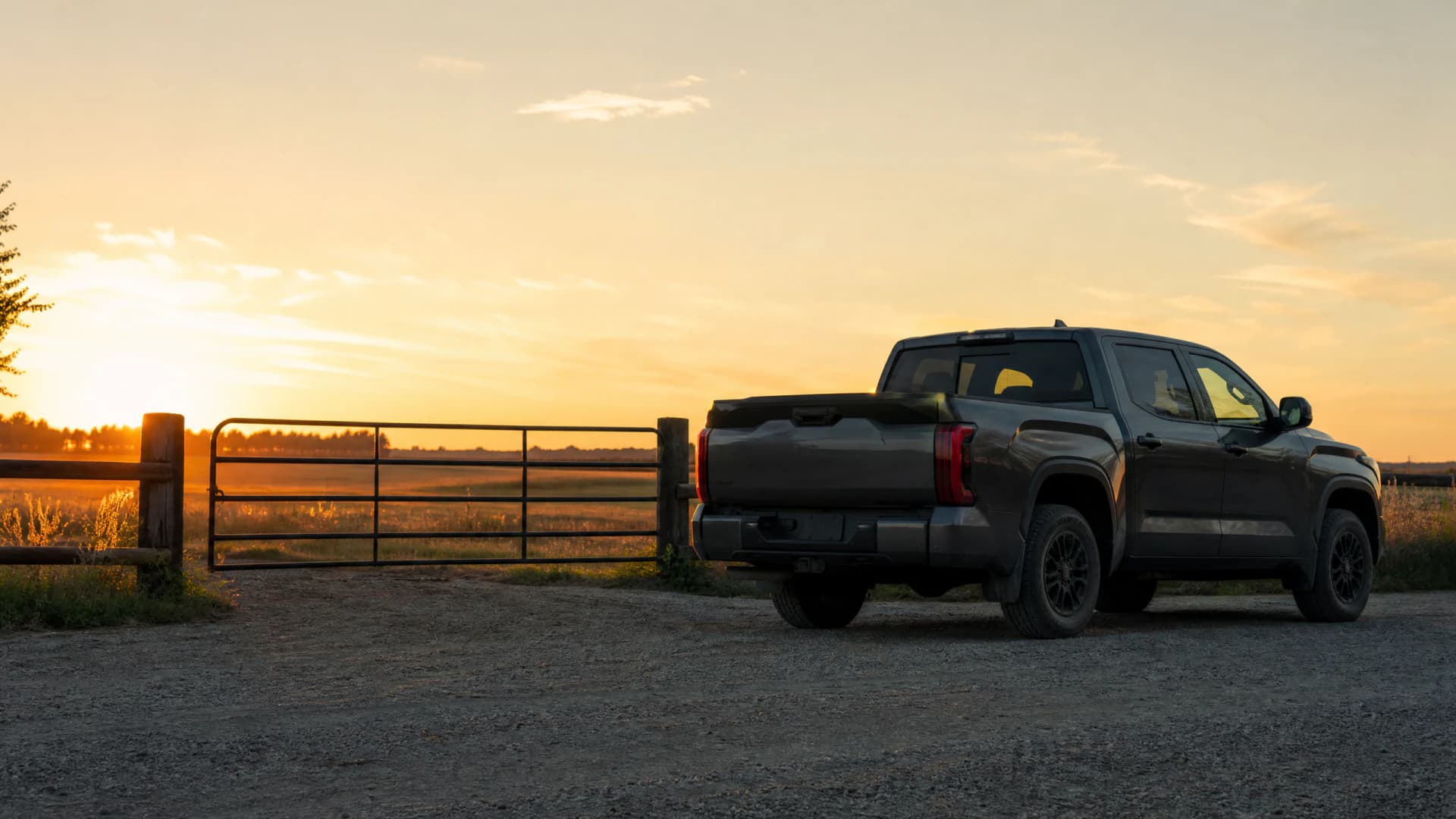
The multi-car discount applies only when every vehicle sits on the same policy with the same named insured. A vehicle titled to a household member on a separate policy does not count.
Related Articles

Best Car Insurance for Multiple Vehicles NC
7/15/2026
Minimum Coverage Limits in North Carolina
7/15/2026

Liability vs Full Coverage NC Multi-Car
7/15/2026

Multi-Car Coverage Requirements North Carolina
7/15/2026

Optional Coverage Worth It NC Multi-Car
7/15/2026

Liability vs Full Coverage Multi-Car NC
7/15/2026
How the DL-123 Form Applies When You Add a Second or Third Vehicle
North Carolina does not use SR-22. The state uses the DL-123 certificate of liability insurance, a form your carrier provides that you present to the DMV when you register a vehicle, restore a suspended license, or apply for a Limited Driving Privilege. The DL-123 is valid for 30 days from issuance and certifies that you carry at least the state's minimum liability and uninsured-motorist coverage. When you add a second or third vehicle to your policy, your carrier does not file a DL-123 automatically unless you request one for a specific DMV transaction.
If you are adding a vehicle mid-term and you need to register it at the DMV, request the DL-123 from your carrier before you go. The form is free and most carriers can generate it online or by phone within minutes. The DL-123 certifies coverage for the specific vehicle listed on the form, so if you are registering multiple vehicles at once, request a separate DL-123 for each. The form expires 30 days after issuance, so do not request it until you are ready to complete the DMV transaction.
When you add a vehicle to an existing multi-car policy, the new vehicle is covered under your policy's liability and uninsured-motorist limits immediately, but the policy re-rates based on the new vehicle's characteristics. Most carriers give you a grace period of 14 to 30 days to report the new vehicle before coverage lapses, but that grace period does not prevent the re-rating. The premium adjustment is effective the date you acquired the vehicle, not the date you reported it. If the new vehicle increases your premium and you wait 20 days to report it, you will owe the higher premium retroactive to the acquisition date.
19 carriers
NC Multi-Car Carrier Roster
Nineteen carriers write multi-car auto insurance policies in North Carolina. Tier placement, discount structure, and online self-service capabilities vary by carrier. Compare carriers that write your household's vehicle count and allow the policy management method you prefer.
North Carolina Department of Insurance licensing data

What Happens When You Add a Vehicle Mid-Term to a Multi-Car Policy
When you add a vehicle to an existing multi-car policy, the policy re-rates immediately. The carrier recalculates your premium based on the combined risk of all vehicles now on the policy, applies the multi-car discount to the new total, and adjusts your premium effective the date you acquired the vehicle. The multi-car discount does not apply as a flat percentage to the new vehicle's standalone premium; it applies to the entire policy premium after the new vehicle is added. A carrier that offers a 15% multi-car discount will apply that 15% to the combined premium of all vehicles, not to each vehicle individually.
If the new vehicle is higher-risk than the vehicles already on your policy, the combined premium can increase by more than the standalone cost of insuring that vehicle alone. This happens because the new vehicle's risk profile can push the entire policy into a higher rating tier or change the policy's loss-cost calculation. Carriers price multi-car policies based on the highest-risk vehicle's characteristics in some rating models, so adding a sports car or a vehicle with a theft-prone VIN can increase the premium on your existing vehicles as well. The opposite is also true: adding a low-risk vehicle to a policy that already includes a high-risk vehicle can lower the per-vehicle average cost because the multi-car discount applies to a larger base.
Compare Carriers for Your Household's Vehicle Count and Coverage Needs
The best carrier for a two-car household at minimum limits is not always the best carrier for a three-car household, and the best carrier for vehicles garaged at the same address is not always the best carrier for vehicles garaged at different addresses. When you compare carriers, enter every vehicle you plan to insure on the same policy and confirm that the quote reflects the multi-car discount applied to the combined premium. A quote that shows each vehicle's premium separately without showing the combined total after the discount is incomplete.
Request quotes from at least three carriers that write multi-car policies in North Carolina and allow the policy management method you prefer. If you add vehicles mid-term frequently, prioritize carriers that allow online vehicle additions without requiring an agent call. If you rarely change your policy, prioritize carriers with the lowest combined premium for your current vehicle count. Compare the combined annual premium, not the per-vehicle monthly cost, because carriers structure their multi-car discounts differently and a lower per-vehicle cost does not always produce the lowest total. See North Carolina's minimum liability limits and uninsured-motorist requirements to confirm your quote meets the state floor before you bind.
Carriers That Write Multi-Car Minimum Coverage in North Carolina
Geico writes multi-car minimum-coverage policies online and allows mid-term vehicle additions through the online portal without requiring an agent call. Geico's standard tier pricing and online self-service make it a common choice for households adding a second or third vehicle. Progressive writes multi-car minimum coverage and offers online quote comparison that shows the combined premium when you add a second vehicle before you bind. Progressive's Snapshot usage-based discount can apply to each vehicle individually, which benefits households where one vehicle is driven infrequently. State Farm writes multi-car minimum coverage through agents and applies the multi-car discount at binding. State Farm's preferred-tier placement means the base rate is lower for drivers with clean records, but you cannot add a vehicle online without calling your agent.
Allstate writes multi-car minimum coverage in its standard tier and allows online vehicle additions for existing policyholders. Allstate's Drivewise program offers a usage-based discount that applies per vehicle. Nationwide writes multi-car minimum coverage and offers the SmartRide usage-based discount, which can reduce the premium on a rarely-driven second or third vehicle. Farmers writes multi-car minimum coverage through agents and applies the multi-car discount at the policy level. Farmers allows mid-term vehicle additions but requires an agent call to bind the change. Travelers writes multi-car minimum coverage and offers online policy management for adding vehicles. Travelers' standard-tier pricing competes well for households with two vehicles garaged at the same address.
Get Your Free Quote
Get My North Carolina Car Insurance QuoteFrequently Asked Questions
Do all carriers in North Carolina offer a multi-car discount?
Most carriers writing auto insurance in North Carolina offer a multi-car discount, but the discount percentage and the requirements to qualify vary by carrier. The discount typically requires every vehicle to sit on the same policy with the same named insured, and some carriers require all vehicles to be garaged at the same address. Compare carriers to see which offers the best combined premium for your household's vehicle count.
Can I add a vehicle to my North Carolina policy online?
Geico, Progressive, Allstate, and Travelers allow existing policyholders to add vehicles online through their customer portals. State Farm and Farmers require you to call your agent to add a vehicle mid-term. When you add a vehicle online, the policy re-rates immediately and the premium adjustment is effective the date you acquired the vehicle, not the date you reported it.
Does North Carolina require SR-22 for multi-car policies?
North Carolina does not use SR-22. The state uses the DL-123 certificate of liability insurance, which you present to the DMV when you register a vehicle or restore a license. The DL-123 is valid for 30 days and certifies that you carry at least the state's minimum liability and uninsured-motorist coverage. Your carrier provides the DL-123 on request; it is not filed continuously like an SR-22.
What is the minimum liability coverage required in North Carolina for each vehicle?
North Carolina requires $50,000 bodily injury per person, $100,000 bodily injury per accident, and $50,000 property damage on every vehicle. Uninsured motorist coverage at the same limits is also mandatory. Every vehicle on your multi-car policy must carry at least these minimums.
How does adding a second vehicle affect my premium in North Carolina?
When you add a second vehicle to your policy, the policy re-rates based on the combined risk of both vehicles, and the multi-car discount applies to the new total premium. The increase is not simply the standalone cost of the second vehicle because the discount applies to the entire policy. A higher-risk second vehicle can increase the premium on your first vehicle if it pushes the policy into a higher rating tier.