
Cheapest Car Insurance in North Carolina
Free to compare
The Multi-Vehicle Rate Problem
You're shopping for the cheapest car insurance in North Carolina to cover two, three, or four vehicles on one household policy. You've seen advertised rates that look competitive, but when you request a quote for your full vehicle count, the carrier either declines to write all of them on one policy or the combined premium jumps higher than expected. The structural reality: North Carolina's lowest advertised per-vehicle rates often come from carriers that restrict multi-vehicle policies by vehicle type, driver count, or garaging address.
This article walks the path from North Carolina's mandatory coverage minimums through the carrier roster that writes multi-vehicle households, the policy-structure decisions that determine whether you qualify for a multi-car discount, and the specific blockers that prevent households from accessing the lowest combined rate. You'll leave knowing which carriers write your household's vehicle mix and what policy structure produces the lowest lawful premium.
“The carrier offering the lowest rate for one vehicle often cannot write all vehicles in a multi-car household on the same policy.”

Compare North Carolina Car Insurance Quotes Today
Get My North Carolina Car Insurance Quote18 carriers
NC Multi-Vehicle Roster
Eighteen carriers write auto insurance in North Carolina and accept multi-vehicle policies. Not all write every vehicle type or household configuration; roster size does not equal universal availability.
North Carolina Department of Insurance carrier licensure data
North Carolina Mandatory Coverage Minimums
North Carolina requires $50,000 bodily injury per person, $100,000 bodily injury per accident, and $50,000 property damage liability on every registered vehicle. The state also mandates uninsured motorist coverage at the same limits unless you decline it in writing. These minimums apply to each vehicle on your policy; you cannot insure one car at minimum limits and another at higher limits on the same policy without structuring separate policies.
The DL-123 certificate of insurance — not an SR-22, which North Carolina does not use — serves as proof of financial responsibility. Your carrier issues the DL-123 when you buy a policy meeting state minimums. The certificate is valid for 30 days from issuance and must be presented to the DMV when you register a vehicle, restore a suspended license, or apply for a Limited Driving Privilege. The DL-123 is a snapshot document, not a continuous filing; once accepted by the DMV, no further action is required unless your policy lapses.
When you add a second, third, or fourth vehicle to an existing policy, the carrier re-rates the entire policy based on the new vehicle count, driver assignments, and garaging addresses. The premium does not simply add a flat per-vehicle amount; the multi-car discount applies to the combined policy, and the base rate recalculates. This re-rating is why a household adding a third vehicle sometimes sees a smaller per-vehicle premium than when they insured two.
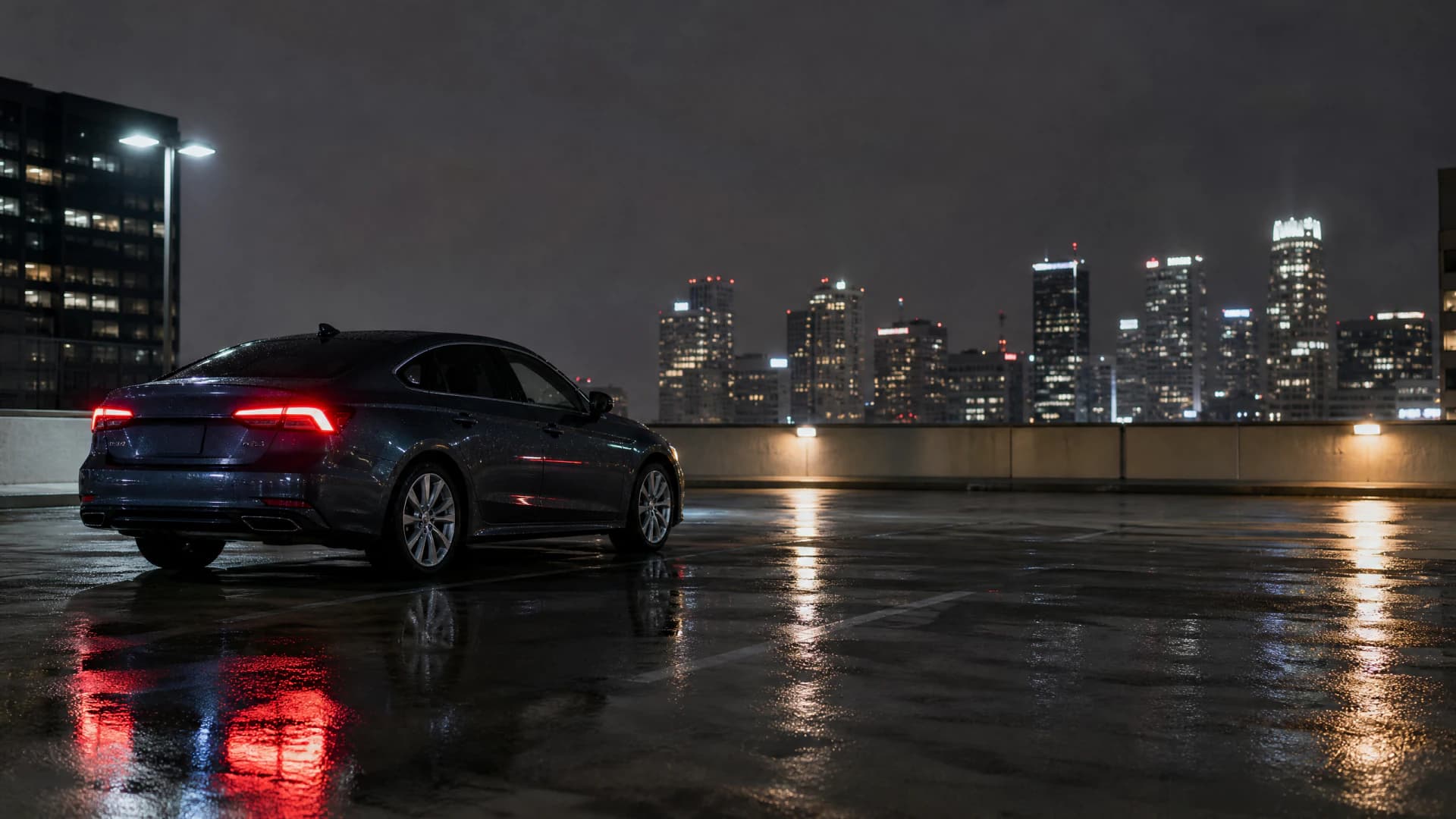
The carrier offering the lowest rate for one vehicle often cannot write all vehicles in a multi-car household on the same policy, forcing you to split coverage or choose a higher-priced carrier that writes the full household.




Policy Structure and the Multi-Car Discount
The multi-car discount requires every vehicle to sit on the same policy. A household with three vehicles titled to the same owner but insured on two separate policies — one policy covering two cars, another covering the third — does not qualify for the multi-car discount on either policy. The discount applies only when all household vehicles are combined onto one policy number.
Garaging address matters. Most carriers require every vehicle on a multi-car policy to be garaged at the same address. If one vehicle is garaged at a second property — a college student's car parked at a dorm, a work vehicle parked at a job site, or a recreational vehicle stored at a separate location — the carrier may decline to write that vehicle on the household policy or exclude it from the multi-car discount calculation. Verify garaging-address requirements with the carrier before combining vehicles onto one policy.
Driver assignment recalculates the premium. When you add a vehicle, the carrier assigns each vehicle to a primary driver based on household driver count, vehicle type, and driver history. A household with two drivers and three vehicles assigns one driver to two vehicles; the carrier rates the higher-risk vehicle assignment at the higher rate. If the third vehicle is a high-value or high-performance car, adding it can increase the combined premium more than adding a standard sedan, even with the multi-car discount applied.
$50,000/$100,000/$50,000
NC Liability Minimums
North Carolina's mandatory liability minimums are $50,000 bodily injury per person, $100,000 bodily injury per accident, and $50,000 property damage. Uninsured motorist coverage at the same limits is also required unless declined in writing.
North Carolina General Statutes § 20-279.21

Failure Modes That Block the Lowest Rate
You request a quote for three vehicles and the carrier declines to write all three on one policy. This happens when one vehicle falls outside the carrier's underwriting guidelines — a commercial vehicle, a vehicle with a salvage title, a classic car, or a vehicle garaged more than 50 miles from the primary address. The carrier writes the two vehicles that meet guidelines and declines the third. You now choose: insure the third vehicle with a different carrier and lose the multi-car discount on all three, or move all three vehicles to a carrier that writes the full household at a higher combined rate.
You combine two separate policies after marriage or a household move and the combined premium exceeds the sum of the two original premiums. This happens when one spouse's driving record or vehicle type re-rates the entire combined policy at a higher base rate. The multi-car discount applies, but the discount percentage applied to a higher base rate produces a higher combined premium than two separate policies at lower base rates. The math: a smaller discount on a higher base rate can cost more than no discount on two lower base rates.
Compare Across the Full Household
Request quotes from at least three carriers that write your full vehicle count and household configuration. Provide identical coverage limits, deductibles, and driver assignments to each carrier so the quotes compare directly. A $500 deductible quote from one carrier does not compare to a $1,000 deductible quote from another; the lower premium reflects the higher deductible, not a better rate.
The lowest combined premium for your household sits at the carrier that writes all your vehicles on one policy, applies the multi-car discount to your specific vehicle mix and driver assignments, and calculates the base rate from your household's actual risk profile. That carrier is not always the carrier advertising the lowest per-vehicle rate. Compare the total annual or monthly premium for the full household, not the per-vehicle breakdown. The household total is the number that matters.
Which Carriers Write Multi-Vehicle Households
Standard-tier carriers — State Farm, Allstate, Nationwide, Travelers, and USAA — typically write households with two to four vehicles garaged at the same address and driven by household members listed on the policy. These carriers apply a multi-car discount when every vehicle sits on one policy and shares a garaging address. The discount structure varies by carrier; some apply a percentage reduction to each vehicle after the first, others reduce the base rate and recalculate the combined premium.
Non-standard carriers — Dairyland, Direct Auto, The General, and National General — write multi-vehicle households that standard carriers decline, including households with mixed vehicle types (a daily driver and a classic car), drivers with recent violations, or vehicles garaged at separate addresses. These carriers often do not require every vehicle to share a garaging address to qualify for the multi-car discount, but their base rates start higher than standard-tier carriers. The trade-off: broader eligibility, higher starting premium.
Get Your Free Quote
Get My North Carolina Car Insurance QuoteFrequently Asked Questions
Does North Carolina require the same coverage limits on every vehicle in a multi-car policy?
Yes, when multiple vehicles sit on one policy in North Carolina, the carrier applies the same liability limits and coverage selections to every vehicle. To carry different limits, you must structure separate policies.
Can I add a vehicle titled to a household member on my existing North Carolina policy?
Most carriers allow you to add a vehicle titled to a household member — spouse, adult child, or parent — if that person is listed as a driver on your policy and the vehicle is garaged at the same address. The carrier re-rates the policy based on the new vehicle and driver assignment. If the household member is not listed as a driver, the carrier typically requires them to be added before insuring their vehicle.
What is the DL-123 certificate and when do I need it in North Carolina?
The DL-123 is North Carolina's certificate of insurance, issued by your carrier when you buy a policy meeting state minimums. You present it to the DMV when registering a vehicle, restoring a suspended license, or applying for a Limited Driving Privilege. It is valid for 30 days from issuance and is not a continuous filing like an SR-22.
Does the multi-car discount apply if my vehicles are garaged at different addresses in North Carolina?
Most carriers require every vehicle on a multi-car policy to be garaged at the same address to qualify for the multi-car discount. If one vehicle is garaged at a second property — a college dorm, a work site, or a storage facility — the carrier may exclude that vehicle from the discount or decline to write it on the household policy. Verify garaging-address requirements with the carrier before combining vehicles.
Why did my premium increase when I added a third vehicle to my North Carolina policy?
Adding a vehicle re-rates your entire policy based on the new vehicle count, driver assignments, and the added vehicle's value and type. The multi-car discount applies, but if the third vehicle is high-value, high-performance, or assigned to a higher-risk driver, the combined premium can increase more than the discount offsets. The per-vehicle average may still drop even as the total premium rises.
Can I insure a commercial vehicle and a personal vehicle on the same North Carolina policy?
Most personal auto carriers do not write commercial vehicles on the same policy as personal vehicles. If you own a vehicle used for business purposes — delivery, rideshare, or commercial transport — you typically need a separate commercial auto policy. Some carriers offer hybrid policies for light commercial use, but these are structured separately from standard multi-car personal auto policies.
What happens if I let my North Carolina multi-car policy lapse?
North Carolina requires continuous insurance on every registered vehicle. If your policy lapses, the DMV can suspend your vehicle registration and your driver license. A lapse also resets your insurance history, often resulting in higher premiums when you reapply.