
Geico Multi-Car Coverage — North Carolina
Free to compare
Geico Writes Multi-Car Policies in North Carolina
You own two or more vehicles and need to know whether Geico will insure all of them on one policy in North Carolina. Geico writes standard-tier auto insurance in North Carolina and offers multi-car policies. The carrier is licensed statewide, holds an AM Best financial strength rating of A++ (Superior), and provides online quoting for households adding a second, third, or fourth vehicle to an existing policy.
Geico's multi-car discount requires every vehicle to sit on the same policy. A household that splits vehicles across two separate Geico policies—one for the primary driver's car and one for a spouse's car—does not qualify for the multi-vehicle discount on either policy. The discount applies only when all household vehicles share a single policy number.
“Geico's multi-car discount applies only when every household vehicle sits on the same policy—splitting vehicles across two policies forfeits the discount on both.”

Compare North Carolina Car Insurance Quotes Today
Get My North Carolina Car Insurance Quote$50,000 / $100,000 / $50,000
North Carolina Liability Minimums
North Carolina requires $50,000 bodily injury per person, $100,000 bodily injury per accident, and $50,000 property damage. Every vehicle on a Geico multi-car policy must carry at least these limits.
North Carolina General Statutes § 20-309
The Same-Policy Requirement Blocks Split Households
Geico's multi-car discount is not a household discount. It is a same-policy discount. Two vehicles titled to the same household address but insured on separate Geico policies do not trigger the discount. The carrier's underwriting system treats each policy as an independent rating unit. A household that maintains two policies—even with the same carrier—pays the full single-vehicle rate on each.
This structure creates a blocker for households that assumed adding a second vehicle to a separate policy would preserve the discount. It does not. The discount applies only when the second vehicle is added to the existing policy, not when it is placed on a new policy under the same household name.
Combining two existing policies into one triggers a full re-rating. Geico recalculates the premium for every vehicle on the combined policy based on the household's total driver and vehicle profile. The combined premium is not the sum of the two prior premiums minus a discount—it is a new rate calculation that may increase or decrease depending on the household's risk profile.
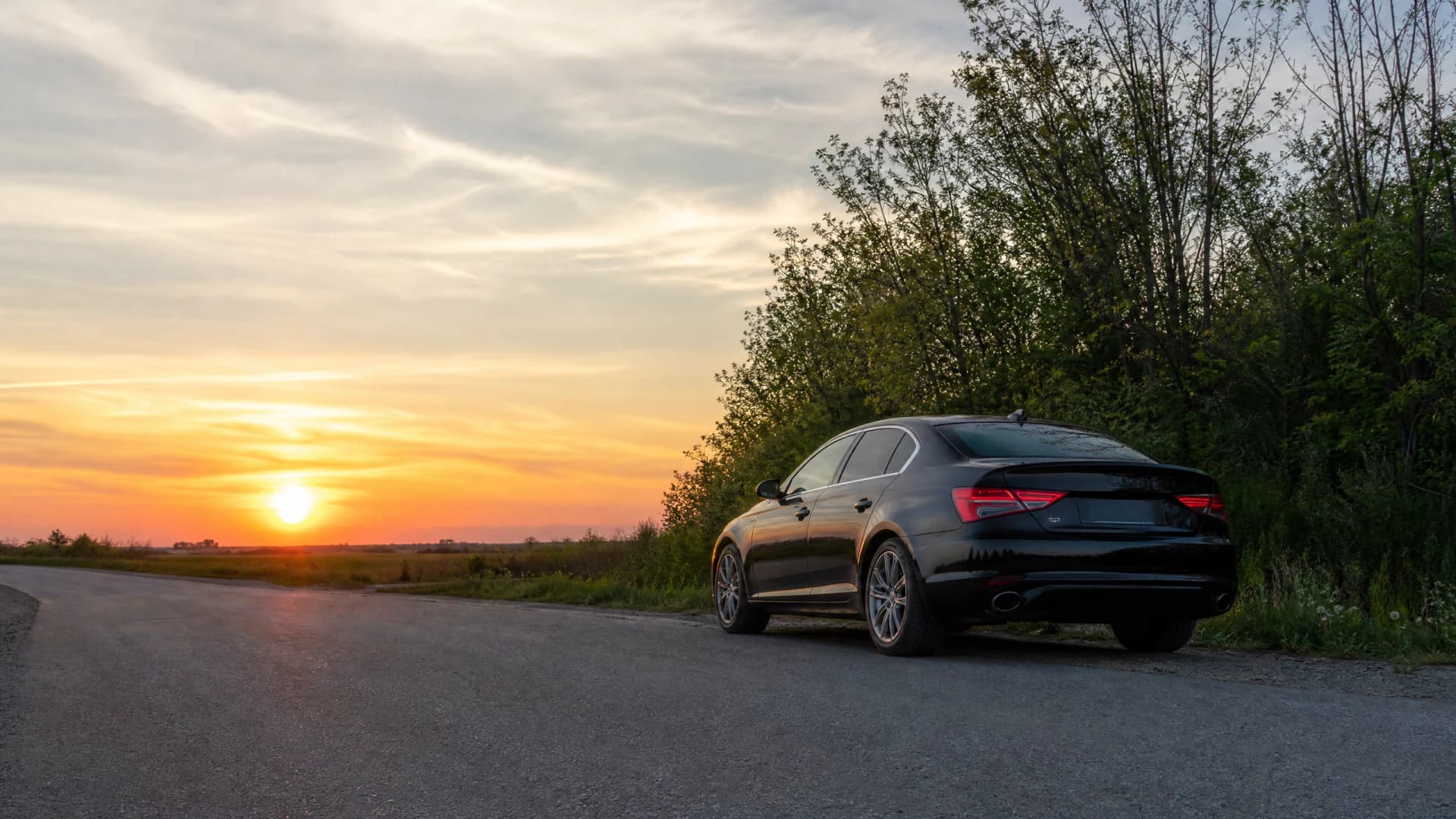
Geico's multi-car discount applies only when every household vehicle sits on the same policy. Splitting vehicles across two policies forfeits the discount on both.
Related Articles





North Carolina Proof-of-Insurance Rules and the DL-123 Form
North Carolina does not use SR-22 certificates. The state uses the DL-123 form, a certificate of liability insurance issued by a North Carolina-licensed insurer and presented by the driver. The DL-123 is required for original licensure, license restoration after suspension, and court-granted Limited Driving Privileges. The form is valid for 30 days from issuance and must show coverage at the state's minimum liability limits.
Geico issues the DL-123 form for North Carolina policyholders who need proof of financial responsibility. The form is not continuously filed with the Division of Motor Vehicles—the driver presents it once at the time of the transaction. If you are adding a second vehicle to a Geico policy and need a DL-123 for license reinstatement or a Limited Driving Privilege, request the form after the vehicle is added and the policy is active. The form cannot be issued for a vehicle not yet on the policy.
When a household combines two policies into one, the DL-123 form must reflect the combined policy number. If one driver in the household needs a DL-123 for reinstatement and the other does not, the form is issued for the driver who needs it, but the policy must already include both drivers and all household vehicles.
11.8%
North Carolina Uninsured Motorist Rate
North Carolina requires uninsured motorist coverage on every auto policy. The state's uninsured motorist rate is 11.8 percent, meaning roughly one in nine drivers on the road carries no liability insurance.
Insurance Research Council, 2023

Comparing Geico Against Other North Carolina Multi-Car Carriers
Geico is one of 19 carriers writing auto insurance in North Carolina. Other carriers offering multi-car policies in the state include State Farm, Progressive, Allstate, Nationwide, Farmers, Liberty Mutual, and Travelers. Each carrier applies its own same-policy requirement and its own multi-vehicle discount structure. A household comparing carriers should request quotes from at least three carriers that write multi-car policies in North Carolina.
Geico's online quoting system allows households to add multiple vehicles during the quote process. The system calculates the multi-car discount in real time and displays the combined premium before the household binds coverage. Households that prefer agent-assisted quoting can contact a Geico agent by phone, but the carrier does not operate a captive agent network in North Carolina—all Geico business in the state is written direct.
Request Quotes for Your Household's Vehicles
Geico writes multi-car policies in North Carolina and applies a same-policy requirement to the multi-vehicle discount. If you are adding a second vehicle, combining two existing policies, or comparing carriers for a household with three or more cars, request quotes from Geico and at least two other carriers licensed in North Carolina. Compare the combined premium for all household vehicles on one policy, verify that the multi-car discount is applied, and confirm that every driver and vehicle in the household is listed on the policy before binding coverage.
Adding a Vehicle to an Existing Geico Policy
When you buy a second vehicle, Geico extends automatic coverage for a limited period—typically 14 to 30 days depending on the state and policy terms—before you must formally add the vehicle to the policy. During this grace period, the new vehicle is covered at the same liability and physical-damage limits as the vehicle already on the policy. If you do not report the new vehicle within the grace window, coverage for that vehicle terminates automatically. A claim filed after the grace period expires will be denied.
To add a vehicle, contact Geico directly or use the online policy management portal. You will need the vehicle identification number (VIN), the purchase date, the garaging address, and proof that the vehicle is titled to a household member on the policy. Geico re-rates the policy immediately upon adding the vehicle. The new premium reflects the combined risk of both vehicles and applies the multi-car discount at that time. The discount is not retroactive—it begins the day the second vehicle is added.
Get Your Free Quote
Get My North Carolina Car Insurance QuoteFrequently Asked Questions
Does Geico offer a multi-car discount in North Carolina?
Yes. Geico offers a multi-car discount in North Carolina, but the discount applies only when all household vehicles are insured on the same policy. Vehicles on separate Geico policies do not qualify for the discount.
Can I add a second car to my Geico policy online?
Yes. Geico's online policy management portal allows you to add a second vehicle by entering the VIN, purchase date, and garaging address. The system re-rates the policy immediately and applies the multi-car discount when the vehicle is added.
What is the grace period for adding a newly purchased vehicle to a Geico policy?
Geico typically provides a 14- to 30-day grace period for newly purchased vehicles, depending on state rules and policy terms. Coverage for the new vehicle terminates automatically if you do not report it within the grace window.
Does Geico file SR-22 certificates in North Carolina?
No. North Carolina does not use SR-22 certificates. The state uses the DL-123 form, a certificate of liability insurance issued by the insurer and presented by the driver. Geico issues DL-123 forms for North Carolina policyholders who need proof of financial responsibility.
How many carriers write multi-car policies in North Carolina?
Nineteen carriers write auto insurance in North Carolina, including Geico, State Farm, Progressive, Allstate, Nationwide, Farmers, Liberty Mutual, and Travelers. Each carrier applies its own multi-vehicle discount structure and same-policy requirements.
What happens if I combine two Geico policies into one?
Combining two Geico policies into one triggers a full re-rating. The carrier recalculates the premium for every vehicle based on the household's total driver and vehicle profile. The combined premium may increase or decrease depending on the household's risk.