
Updating Your Address on Car Insurance — North Carolina
Free to compare
The Two-System Address Problem
You updated your address with the North Carolina Division of Motor Vehicles when you moved. Your registration card shows the new address. Your driver license reflects it. But your insurance policy still lists the old garaging location, and you're wondering whether that creates a problem — whether a claim could be denied, whether you're out of compliance, or whether the carrier will catch it on its own.
The structural reality: North Carolina DMV and your insurance carrier operate separate systems. Updating your address with one does not update the other. Your policy premium is calculated based on the garaging address the carrier has on file, and if that address is wrong, the rate is wrong. A claim filed from a vehicle garaged at an address the carrier does not know about can be denied for material misrepresentation. The mismatch is not cosmetic.
“A claim filed from a vehicle garaged at an address the carrier does not have on file can be denied for material misrepresentation.”

Compare North Carolina Car Insurance Quotes Today
Get My North Carolina Car Insurance Quote60 days
NC Address Update Window
North Carolina law requires you to notify DMV of an address change within 60 days of the move. Your insurance carrier imposes no statutory deadline, but most policies require notification within a reasonable time — typically interpreted as 30 days.
North Carolina Division of Motor Vehicles
Why the Garaging Address Drives Your Rate
Your auto insurance premium is tied to the ZIP code and street address where your vehicles are parked overnight. Carriers calculate risk based on theft rates, accident frequency, weather exposure, and claims history for that specific location. A vehicle garaged in downtown Charlotte carries different risk than one garaged in a rural county, even if both drivers have identical records.
When you move, your risk profile changes. If your new address sits in a higher-risk ZIP code, your premium goes up. If it sits in a lower-risk area, your premium may drop. The carrier cannot adjust your rate until you report the new garaging location. If you move to a higher-risk area and do not report it, you are effectively undercharged — and the carrier can deny a claim on the grounds that the premium you paid did not reflect the actual risk.
North Carolina does not require uninsured motorist coverage by statute, but it must be offered, and most policies include it unless you reject it in writing. If your new address sits in a county with a higher uninsured motorist rate — North Carolina's statewide uninsured rate is 11.8 percent — your UM premium component may increase when you update the garaging location.
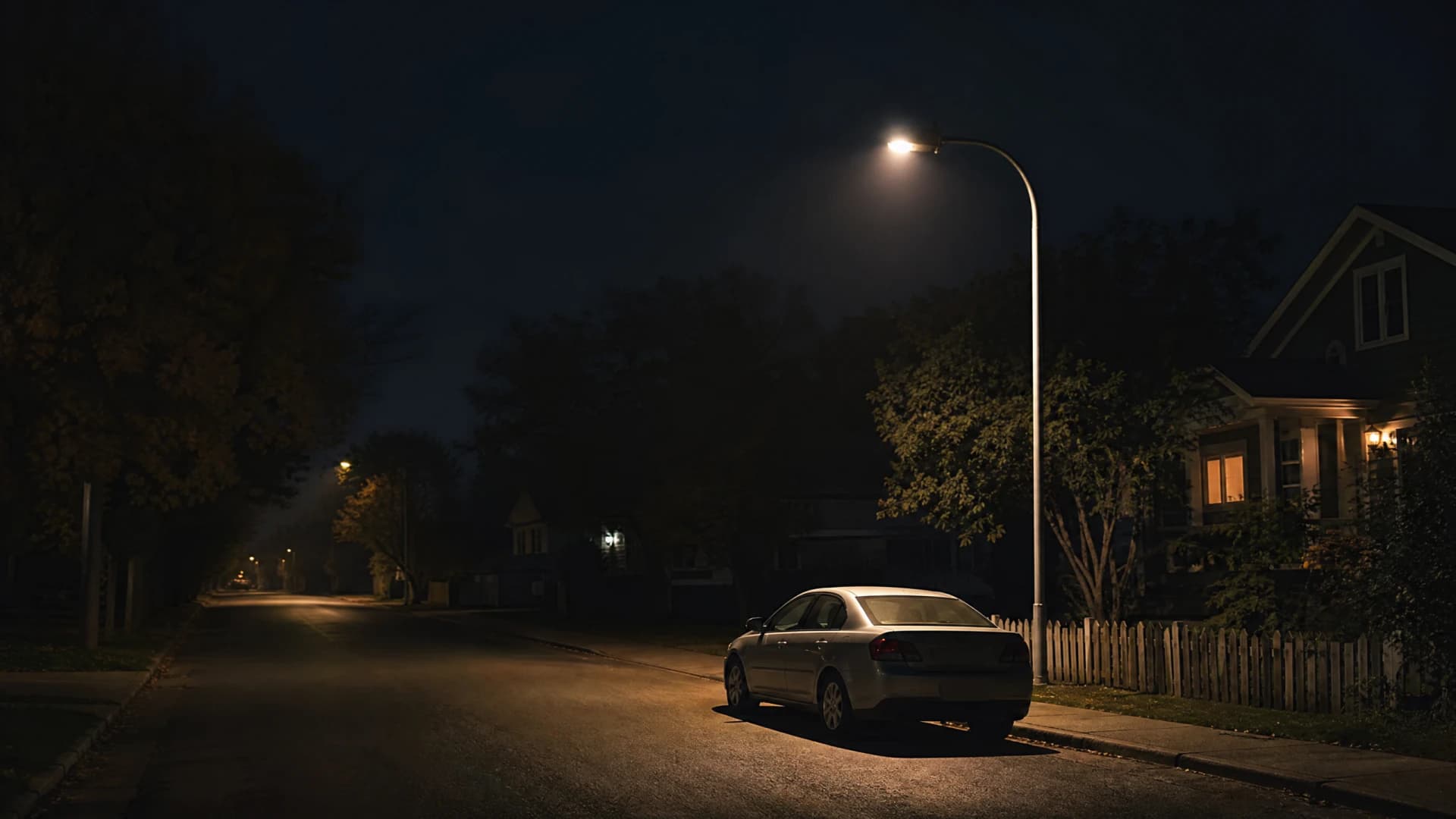
A claim filed from a vehicle garaged at an address the carrier does not have on file can be denied for material misrepresentation, even if every other policy detail is accurate.
Related Articles




When the Move Crosses County Lines
A move within the same county typically produces a modest rate adjustment. A move across county lines can trigger a larger change, because North Carolina counties vary significantly in claims frequency, theft rates, and uninsured motorist density. A vehicle moving from a rural county to Mecklenburg County or Wake County will see a steeper rate increase than a move within the same rural area.
If your move crosses state lines — you are leaving North Carolina entirely — you must cancel your North Carolina policy and purchase a new policy in your destination state. North Carolina policies do not transfer across state lines. Contact your carrier before the move to confirm the cancellation date and avoid a coverage gap. Most carriers operate in multiple states and can issue a new policy in your destination state without requiring you to switch companies.
If you are moving temporarily — a seasonal residence, a work assignment, or a college term — and your vehicle will return to North Carolina, you may not need to update your garaging address. Consult your carrier. Some policies allow temporary out-of-state garaging for up to six months without requiring an address change. Beyond six months, the carrier will require you to re-register the vehicle in the state where it is actually garaged.
11.8%
NC Uninsured Motorist Rate
North Carolina's uninsured motorist rate sits at 11.8 percent, meaning roughly one in nine drivers on the road carries no liability insurance. Your uninsured motorist coverage premium reflects the risk profile of your garaging location.
Insurance Information Institute, 2023

What Happens If You Do Not Update
If you file a claim and the carrier discovers your vehicle has been garaged at an address other than the one on file, the carrier can deny the claim. The denial is based on material misrepresentation: you provided incorrect information that affected the carrier's willingness to insure you and the premium it charged. The carrier does not need to prove intent to defraud. The mismatch alone is sufficient grounds for denial.
Even if the claim is unrelated to the address — a collision that would have happened regardless of where the vehicle was parked — the carrier can deny on the grounds that the premium you paid did not reflect the actual risk. If the new address sits in a higher-risk area and you did not report it, the carrier can argue it would have charged a higher premium or declined to insure the vehicle at that location. The claim denial stands.
Compare Carriers After You Update
When you update your garaging address, your carrier re-rates your policy. The new premium reflects the risk profile of your new location. But that premium is specific to your current carrier's rating model. Other carriers may rate the same address differently. A carrier that charged competitive rates at your old address may not be competitive at the new one, and a carrier you did not consider before may now offer a lower premium.
After you update your address with your current carrier and receive the new premium, compare it against quotes from other carriers writing in North Carolina. North Carolina's minimum liability requirement is $50,000 per person, $100,000 per accident for bodily injury, and $50,000 for property damage. If you carry higher limits or full coverage, request quotes at the same coverage levels to ensure an accurate comparison. A lower premium at reduced coverage is not a better deal.
How to Update Your Address With Your Carrier
Log into your carrier's online portal or mobile app. Navigate to the policy details section and select the option to update your garaging address. Enter the new street address, city, and ZIP code. The system will re-rate your policy immediately and show the new premium. If the premium increases, the carrier will bill the difference pro-rata for the remainder of the term. If it decreases, you receive a credit. Confirm the update and save the revised policy documents.
If you insure multiple vehicles on one policy, the address update applies to every vehicle on that policy. If one vehicle is garaged at a different location — a college student's car parked at school, or a work vehicle parked at a job site — you must list that vehicle's garaging address separately. Most carriers allow you to specify different garaging locations for different vehicles on the same policy, but you must request it explicitly.
Get Your Free Quote
Get My North Carolina Car Insurance QuoteFrequently Asked Questions
Do I need to update my address with both DMV and my insurance carrier?
Yes. North Carolina DMV and your insurance carrier operate separate systems. Updating your address with DMV does not notify your carrier, and updating your carrier does not satisfy the DMV requirement. You must notify both within their respective deadlines.
How long do I have to update my address after moving in North Carolina?
North Carolina law requires you to notify DMV within 60 days of a move. Your insurance carrier typically requires notification within 30 days, though the exact deadline is set by your policy terms. Update both as soon as you know your new permanent address.
Will my premium go up or down when I update my address?
It depends on the risk profile of your new garaging location. If you move to a ZIP code with higher theft rates, accident frequency, or uninsured motorist density, your premium will increase. If you move to a lower-risk area, your premium may decrease. The carrier re-rates your policy immediately when you update.
Can I update my address online or do I need to call my carrier?
Most carriers allow address updates through their online portal or mobile app. Log in, navigate to policy details, and enter the new garaging address. The system re-rates your policy and shows the new premium immediately. If you prefer, you can call your agent or the carrier's customer service line.
What happens if I file a claim before updating my address?
If the carrier discovers your vehicle was garaged at an address other than the one on file, it can deny the claim for material misrepresentation. The denial stands even if the claim is unrelated to the address, because the premium you paid did not reflect the actual risk.
Do I need to update my address if I am moving temporarily?
If your vehicle will return to North Carolina within six months, you may not need to update your garaging address. Consult your carrier. Policies vary, but most allow temporary out-of-state garaging for short-term work assignments or seasonal residence without requiring an address change.