
No-Fault Car Insurance — North Carolina
Free to compare
North Carolina Uses Fault-Based Liability
North Carolina is not a no-fault state. The state uses a traditional fault-based liability system, which means the driver who causes an accident is financially responsible for the other party's injuries and property damage. When another driver hits you, their liability insurance pays your claim — but only after fault is established.
This matters if you're moving from a no-fault state or comparing coverage options. In a no-fault state, your own insurer pays your medical bills regardless of who caused the crash, and you give up the right to sue except in severe cases. North Carolina works the opposite way: you file a claim against the at-fault driver's insurer, and you retain the right to sue for damages without a severity threshold.
“North Carolina uses pure contributory negligence — if you are even one percent at fault, you cannot recover damages from the other driver.”

Compare North Carolina Car Insurance Quotes Today
Get My North Carolina Car Insurance Quote$50,000 / $100,000 / $50,000
North Carolina Minimum Liability
North Carolina requires $50,000 bodily injury per person, $100,000 bodily injury per accident, and $50,000 property damage. These minimums apply to the at-fault driver's policy and set the floor for what their insurer must pay when they cause a crash.
North Carolina General Statutes § 20-279.21
How Fault-Based Claims Work in North Carolina
When another driver causes a crash, you file a third-party claim against their liability insurer. The insurer investigates, determines fault, and pays your medical bills, lost wages, and vehicle repair costs up to the at-fault driver's policy limits. You do not file with your own insurer unless the other driver is uninsured or underinsured.
The structural difference from no-fault: you must wait for the other insurer to accept liability. If fault is disputed, the claim can delay. If the at-fault driver's limits are too low to cover your damages, you rely on your own uninsured/underinsured motorist coverage or sue the driver personally.
North Carolina does not require personal injury protection. PIP is the coverage that pays your own medical bills in no-fault states. Because NC uses fault-based liability, PIP is not part of the mandatory coverage structure. You may see it offered as an optional add-on by some carriers, but it is not required and rarely purchased in fault-based states.

The at-fault driver's insurer controls the claim timeline and payout — you cannot force faster payment unless you sue or use your own uninsured motorist coverage.
Related Articles

Multi-Car Insurance Requirements North Carolina
7/15/2026
No-Fault Car Insurance in North Carolina
7/15/2026
NC Underinsured Motorist Coverage Rules
7/15/2026
NC Car Insurance Laws Multi-Car Households
7/15/2026
NC Minimum Liability Limits Explained
7/15/2026

NC Uninsured Motorist Coverage Requirement
7/15/2026
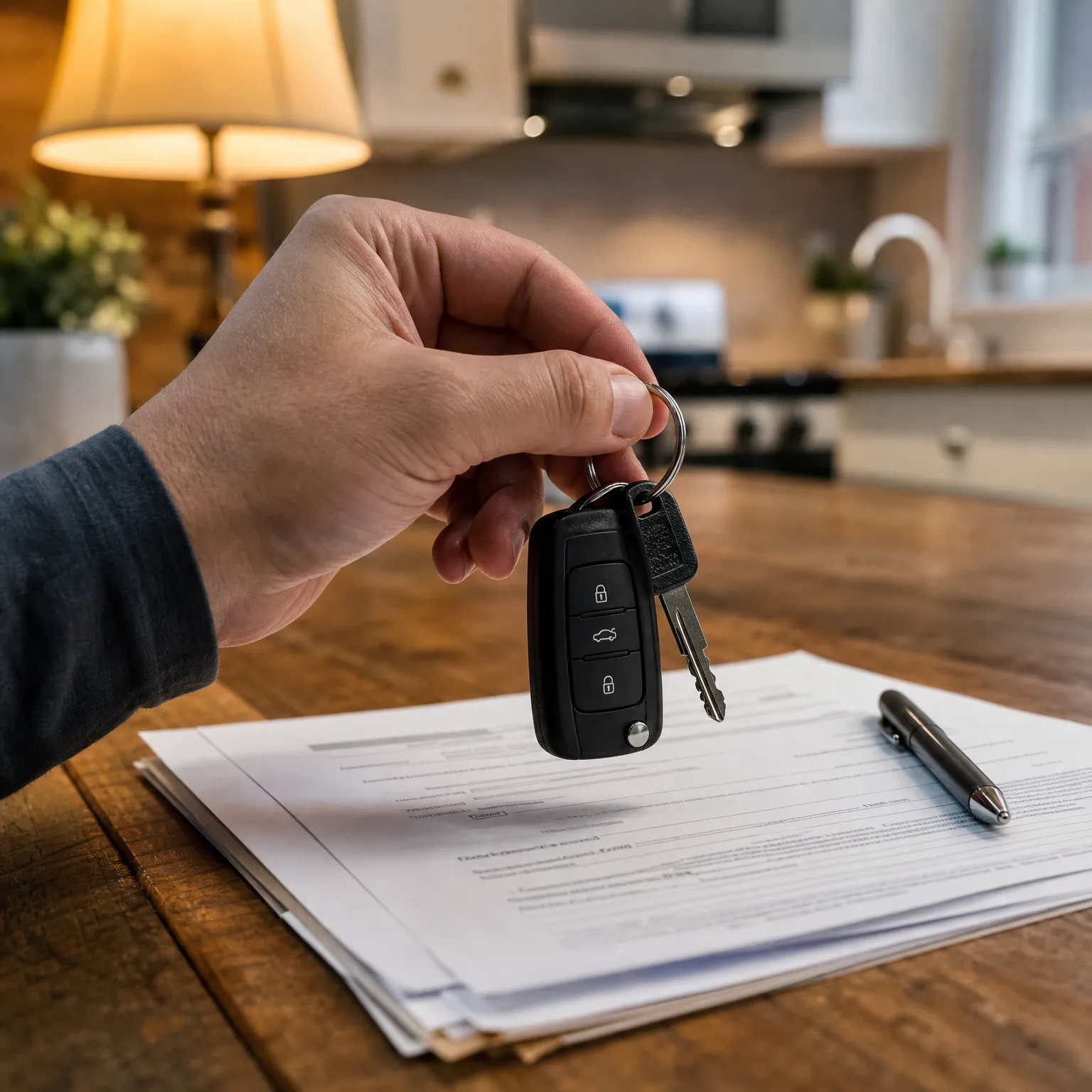
What Happens When You Insure Multiple Vehicles
Every vehicle on your North Carolina policy must carry the state's minimum liability limits and uninsured motorist coverage unless you reject UM in writing. When you add a second or third car, the same coverage structure applies to each vehicle. The policy rates each car separately based on its own risk profile, but the liability and UM requirements are identical across all vehicles.
If you're combining two policies after a move or marriage, verify that both policies meet North Carolina's requirements. A policy written in a no-fault state may carry PIP but lack the uninsured motorist coverage North Carolina mandates. You'll need to adjust the coverage structure when you transfer the policy to North Carolina registration.
The multi-car discount applies when all vehicles sit on one policy. Most carriers reduce the per-vehicle premium when you insure two or more cars together, but the discount does not change the coverage requirements. Each car still needs liability and UM at the state minimums or higher.
19
Carriers Writing North Carolina Auto
Nineteen carriers write auto insurance in North Carolina across preferred, standard, and non-standard tiers. When you're structuring coverage for multiple vehicles, compare quotes from carriers that write your household's risk profile and vehicle types.
North Carolina Department of Insurance licensure records

Proving Fault and Protecting Your Claim
North Carolina uses pure contributory negligence. If you are even one percent at fault for the crash, you cannot recover damages from the other driver. This is the strictest fault rule in the country. The other driver's insurer will investigate whether you contributed to the crash — running a yellow light, following too closely, failing to signal — and deny your claim entirely if they find any contributory fault.
Document every crash thoroughly. Take photos of vehicle damage, road conditions, and traffic control devices. Get the other driver's insurance information and contact information for witnesses. File a police report even for minor crashes. The police report establishes the initial fault determination and becomes evidence if the claim is disputed or goes to court.
Compare Carriers That Write Your Vehicles
When you're insuring two or more vehicles in North Carolina, compare quotes from carriers that write your household's vehicle types and driver profiles. Liability and uninsured motorist coverage are mandatory, but the premium varies widely by carrier. Some carriers offer larger multi-car discounts; others price individual vehicles more competitively. Request quotes that include the same liability limits and UM coverage across carriers so you're comparing equivalent protection. Use the state's minimum as the floor, not the ceiling — higher limits cost more per month but protect you when the other driver's limits are too low.
Uninsured Motorist Coverage Fills the Gap
Uninsured motorist bodily injury coverage pays your medical bills, lost income, and pain and suffering when an uninsured driver hits you. Underinsured motorist coverage pays the difference when the at-fault driver's liability limits are too low to cover your damages. Both coverages let you file with your own insurer instead of chasing an uninsured driver or waiting for a lawsuit to settle.
North Carolina's uninsured motorist rate is 11.8 percent — nearly one in eight drivers on the road has no insurance. In a fault-based state, that means one in eight crashes leaves you with no third-party insurer to file against. Uninsured motorist coverage is the only protection that pays your claim in that scenario without requiring you to sue the driver personally.
Get Your Free Quote
Get My North Carolina Car Insurance QuoteFrequently Asked Questions
Does North Carolina require personal injury protection?
No. North Carolina does not require personal injury protection because it is a fault-based state, not a no-fault state. PIP pays your own medical bills in no-fault states; North Carolina uses liability insurance, where the at-fault driver's insurer pays your claim.
What is uninsured motorist coverage in North Carolina?
Uninsured motorist coverage pays your medical bills and lost income when an uninsured or underinsured driver hits you. North Carolina requires UM coverage on every policy unless you reject it in writing. With 11.8 percent of drivers uninsured, UM coverage is the only protection that pays your claim without suing the at-fault driver.
Can I sue the other driver after a crash in North Carolina?
Yes. North Carolina is a fault-based state, so you retain the right to sue the at-fault driver for damages without meeting a severity threshold. You can sue if the other driver's liability limits are too low, if their insurer denies your claim, or if you want to recover damages their policy does not cover.
What happens if I am partially at fault for a crash in North Carolina?
North Carolina uses pure contributory negligence. If you are even one percent at fault, you cannot recover damages from the other driver. The other driver's insurer will investigate whether you contributed to the crash and deny your claim entirely if they find any contributory fault.
Do I need higher liability limits than the state minimum in North Carolina?
The state minimum is $50,000 per person, $100,000 per accident, and $50,000 property damage. Higher limits cost more per month but protect you if you cause a crash and the other party's damages exceed the minimum.