
Bodily Injury Liability Coverage — North Carolina
Free to compare
North Carolina Mandates Bodily Injury Liability Coverage
North Carolina law requires bodily injury liability coverage on every registered vehicle. The state sets minimum limits at $50,000 per person and $100,000 per accident, effective July 1, 2025. These limits apply whether you own one car or four, and whether you carry minimum coverage or a full-coverage policy.
The requirement is enforced through the DL-123 certificate system. When you register a vehicle, restore a suspended license, or petition for a Limited Driving Privilege, you present a DL-123 form issued by an NC-licensed insurer. The form certifies that you carry at least the state minimum liability limits. The certificate is valid for 30 days from issuance and must be presented by the driver, not filed continuously by the insurer.
“The DL-123 is a snapshot certificate valid for 30 days, not a continuous filing like an SR-22.”

Compare North Carolina Car Insurance Quotes Today
Get My North Carolina Car Insurance Quote$50,000 / $100,000
NC Bodily Injury Minimums
North Carolina requires $50,000 bodily injury liability per person and $100,000 per accident, effective July 1, 2025. These limits apply to every registered vehicle in the state.
North Carolina General Statutes § 20-309
How the DL-123 Certificate System Works
The DL-123 is North Carolina's proof-of-insurance certificate. It is not an SR-22. An SR-22 is a continuous filing maintained by the insurer and monitored by the state; the DL-123 is a snapshot certificate issued once, valid for 30 days, and presented by the driver at the time of registration, restoration, or privilege application.
You obtain the DL-123 from any NC-licensed insurer that writes liability coverage meeting the state minimums. The insurer issues the form when you purchase or renew a policy. You present the form to the Division of Motor Vehicles when registering a vehicle, to the clerk of superior court when petitioning for a Limited Driving Privilege, or to the NCDMV when restoring a suspended license.
The certificate confirms that you carried the required liability limits on the date it was issued. If your policy lapses after the certificate is issued but before you present it, the certificate becomes invalid. The NCDMV and the courts verify the certificate's validity at the time of presentation, not continuously thereafter.

The DL-123 is a snapshot certificate valid for 30 days from issuance. If your policy lapses before you present it, the certificate is void.
Related Articles

Multi-Car Insurance Requirements North Carolina
7/15/2026

North Carolina Car Insurance Requirements
7/15/2026
NC Property Damage Liability Requirement
7/15/2026
NC Car Insurance Law Coverage Requirements
7/15/2026
North Carolina Minimum Car Insurance
7/15/2026
NC Car Insurance Laws Multi-Car Households
7/15/2026
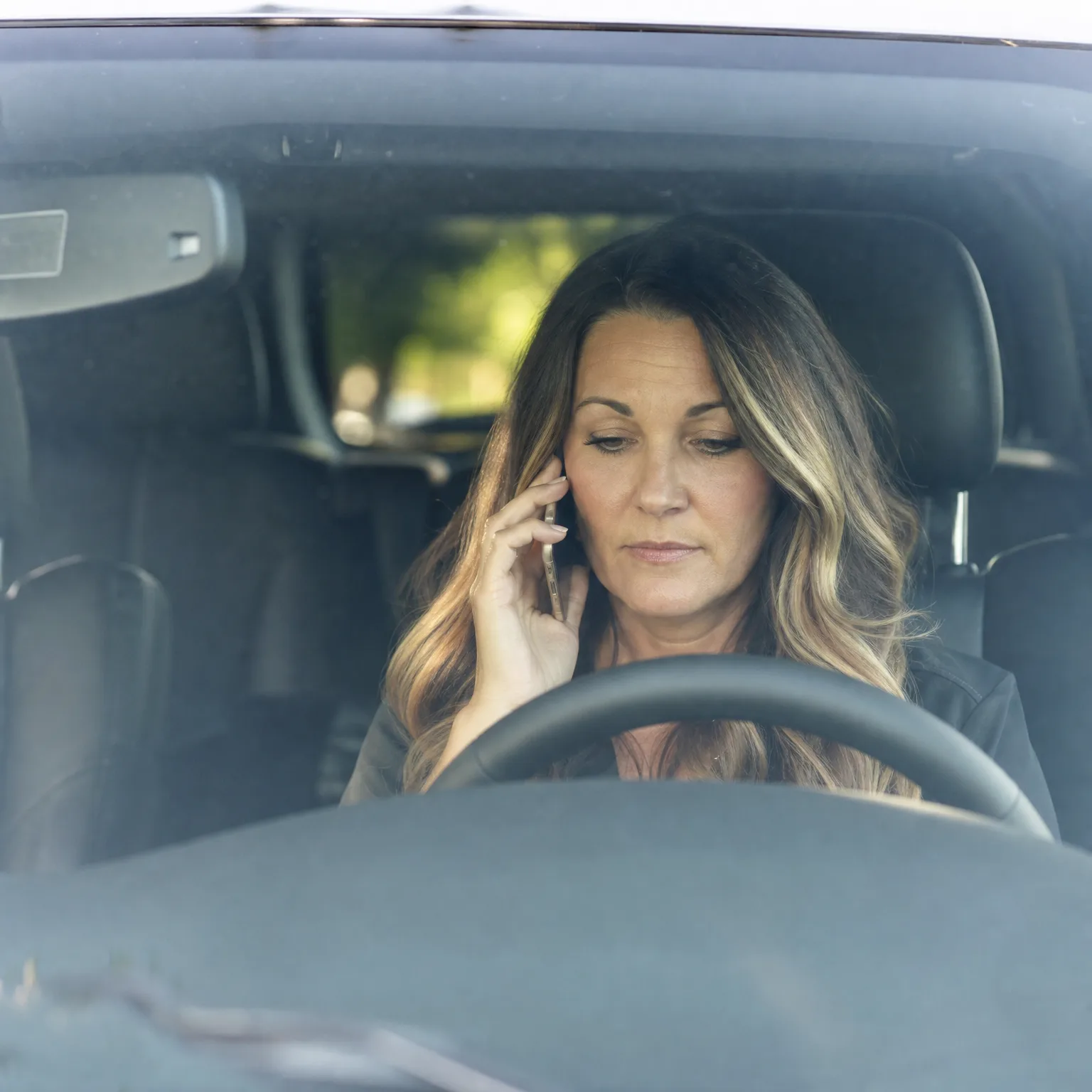
Consequences of Driving Without Bodily Injury Liability Coverage
North Carolina enforces the liability requirement through registration denial, license suspension, and civil penalties. If you cannot present a valid DL-123 certificate when registering a vehicle, the NCDMV will not issue plates. If your insurance lapses after registration, the insurer notifies the NCDMV, and the state suspends your registration and license.
If the suspension was triggered by a civil revocation following a DUI stop, the fee structure is multi-tiered and the total can exceed the base amount. You must also obtain a new DL-123 certificate proving current coverage before the NCDMV will restore your license or registration.
If you cause an accident while uninsured, you are personally liable for all damages you cause. The injured party can sue you directly, and a judgment against you can result in wage garnishment, bank levies, and a lien on your property. North Carolina does not cap personal liability for uninsured drivers.
11.8%
NC Uninsured Motorist Rate
11.8% of North Carolina motorists were uninsured in 2023. Uninsured motorist coverage protects you when an at-fault driver lacks bodily injury liability coverage.
Insurance Research Council, 2023
Bodily Injury Liability Coverage Across Multiple Vehicles
When you own multiple vehicles, each vehicle on your policy is covered by the same bodily injury liability limits. If you carry a policy with $50,000/$100,000 limits and you own three cars, each car is covered at those limits when you drive it. The limits do not stack across vehicles; they apply per accident, not per vehicle.
Most households insure all their vehicles on one policy. The multi-car structure does not change the liability limits required by the state, but it does affect how the policy applies. If two vehicles from the same household are involved in separate accidents on the same day, each accident is covered up to the policy limits. If both vehicles are involved in the same accident, the per-accident limit applies once, not twice.
Compare Carriers That Write North Carolina Liability Coverage
Nineteen carriers write auto insurance in North Carolina and can issue the DL-123 certificate. Carriers that write liability coverage in the state include Allstate, Geico, Progressive, State Farm, Farmers, Nationwide, Travelers, USAA, Liberty Mutual, National General, The General, Dairyland, Direct Auto, Erie, Hartford, Auto-Owners, Amica, Auto Club Enterprises, and Automobile Club of Michigan. Each carrier prices bodily injury liability coverage differently based on your driving history, vehicle, location, and coverage selections.
When you own multiple vehicles, compare carriers that write multi-car policies and offer the coverage structure that fits your household. Some carriers require every vehicle to sit on the same policy to qualify for a multi-car discount; others allow separate policies per vehicle. The DL-123 requirement applies to each vehicle individually, so every car you register must be covered by a policy that meets the state minimums.
What Bodily Injury Liability Coverage Pays For
The $50,000 per-person limit is the maximum the policy pays for one injured person's medical bills, lost wages, and pain and suffering. The $100,000 per-accident limit is the maximum the policy pays for all injured people combined in a single accident. If you injure three people and their combined damages exceed $100,000, you are personally liable for the amount above the limit.
The coverage applies when you are at fault in an accident that injures another driver, a passenger in another vehicle, a pedestrian, or a cyclist. It does not apply to injuries to passengers in your own vehicle unless you carry additional coverage. It does not apply to property damage; that is covered by the separate $50,000 property damage liability minimum North Carolina also requires.
Get Your Free Quote
Get My North Carolina Car Insurance QuoteFrequently Asked Questions
Does North Carolina require bodily injury liability coverage?
Yes. North Carolina requires $50,000 bodily injury liability per person and $100,000 per accident on every registered vehicle. You prove compliance with a DL-123 certificate issued by an NC-licensed insurer.
What is the DL-123 certificate in North Carolina?
The DL-123 is North Carolina's proof-of-insurance certificate. It certifies that you carry at least the state minimum liability limits. The certificate is valid for 30 days from issuance and must be presented by the driver when registering a vehicle, restoring a license, or petitioning for a Limited Driving Privilege.
Is the DL-123 the same as an SR-22?
No. The DL-123 is a snapshot certificate valid for 30 days and presented by the driver. An SR-22 is a continuous filing maintained by the insurer and monitored by the state. North Carolina does not use SR-22 filings.
What happens if I drive without bodily injury liability coverage in North Carolina?
The NCDMV will suspend your registration and license. You must obtain a new DL-123 certificate proving current coverage before the state will restore your license or registration.
Do bodily injury liability limits apply to each vehicle I own?
The limits apply per accident, not per vehicle. If you own three cars on one policy with $50,000/$100,000 limits, each accident is covered up to those limits regardless of which vehicle you were driving.
Can I register a vehicle in North Carolina without bodily injury liability coverage?
No. The NCDMV requires a valid DL-123 certificate proving you carry at least $50,000/$100,000 bodily injury liability coverage before it will issue plates.
What does bodily injury liability coverage pay for?
It pays for injuries you cause to other people in an accident you are legally responsible for. It covers medical bills, lost wages, and pain and suffering up to the policy limits. It does not pay for your own injuries or damage to your own vehicle.