
Full Coverage Car Insurance — North Carolina
Free to compare
What Full Coverage Means for a Multi-Vehicle Household
You own two or three cars in North Carolina, and you're trying to decide whether to carry full coverage on all of them or split your coverage levels across the household. The term full coverage is not a single product. It is shorthand for a policy that combines North Carolina's mandatory minimums — $50,000 bodily injury per person, $100,000 per accident, $50,000 property damage, and uninsured motorist coverage — with collision and comprehensive coverage on top. Those last two are optional, and you can add them to some vehicles on your policy while leaving them off others.
The structural confusion arises because carriers sell full coverage as a package, but North Carolina law does not require collision or comprehensive on any vehicle unless a lienholder demands it. That means a household with three cars can carry full coverage on the financed sedan, liability-only on the paid-off truck, and full coverage minus collision on the older SUV, all on the same multi-vehicle policy. The decision is per vehicle, not per household, and the multi-car discount applies to the entire policy regardless of how you mix coverage levels across the cars.
“The multi-car discount applies to the entire policy regardless of whether every vehicle carries full coverage.”

Compare North Carolina Car Insurance Quotes Today
Get My North Carolina Car Insurance Quote$50,000 / $100,000 / $50,000
NC Minimum Liability Limits
North Carolina requires $50,000 bodily injury per person, $100,000 per accident, and $50,000 property damage. Uninsured motorist coverage at the same limits is also mandatory. These minimums apply to every vehicle on your policy.
North Carolina Department of Insurance
How Collision and Comprehensive Work Across Multiple Vehicles
Collision coverage pays to repair your vehicle after a crash with another car or object, minus your deductible. Comprehensive pays for damage from theft, weather, vandalism, or animal strikes, also minus your deductible. Both are priced per vehicle, and both are optional under North Carolina law unless your lender requires them. When you add a second or third car to your policy, the carrier prices collision and comprehensive separately for each vehicle based on its value, age, and repair cost.
Comprehensive remains useful even on older vehicles because it covers theft and weather damage at a lower annual cost than collision. You can drop collision on the truck while keeping comprehensive and full liability, and the multi-car discount still applies to the entire policy.
Carriers do not require uniform coverage across all vehicles on a multi-car policy. You structure each car's coverage based on its value, your deductible tolerance, and whether a lienholder mandates physical damage coverage. The policy-level discount rewards insuring multiple vehicles with one carrier, not carrying identical coverage on each one.
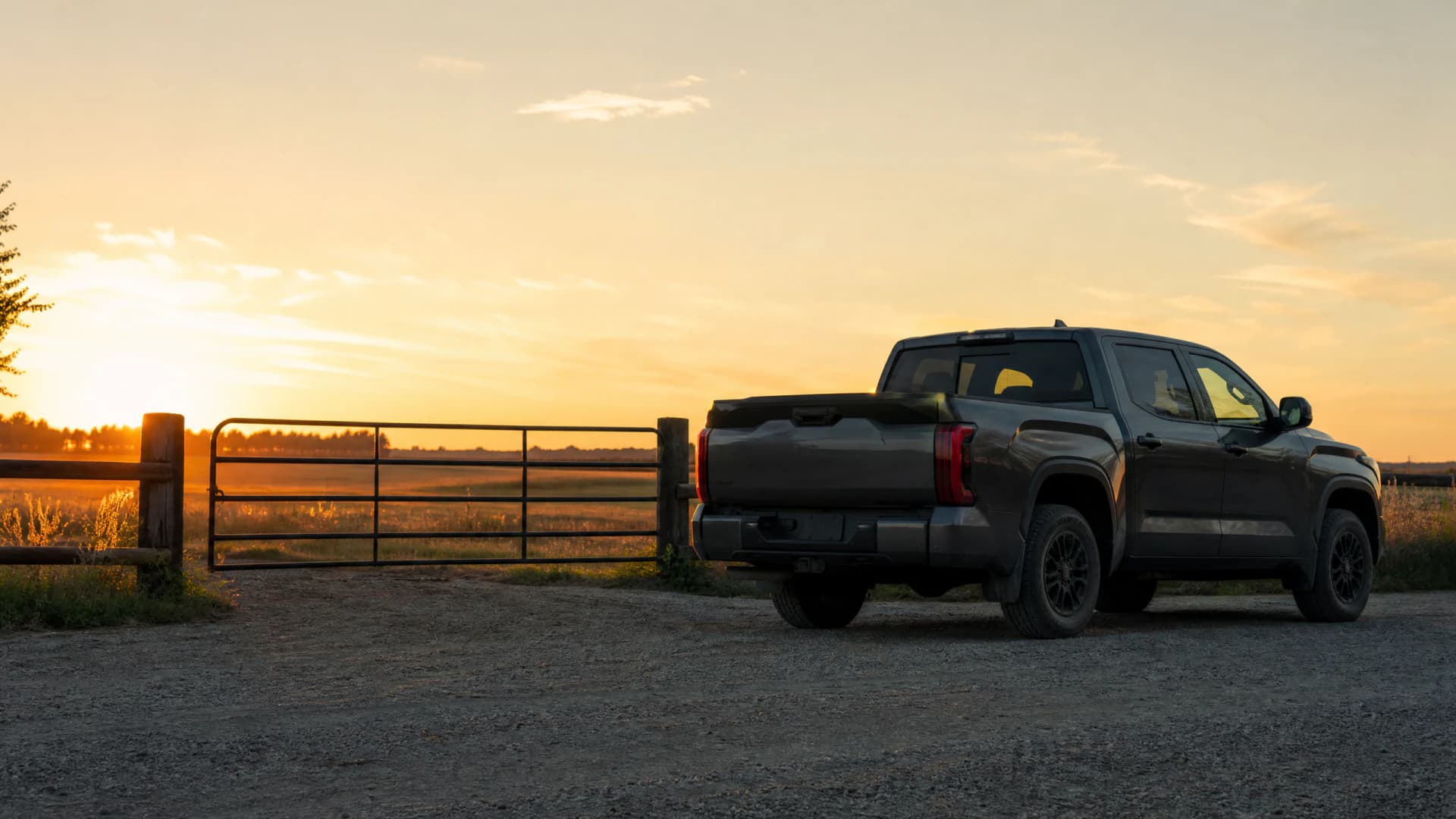
The multi-car discount applies to the entire policy regardless of whether every vehicle carries full coverage, but dropping collision or comprehensive on one car does not increase the discount on the others.
Related Articles






How Adding or Removing a Vehicle Re-Rates the Policy
When you add a fourth car to your existing three-vehicle policy, the carrier re-rates the entire policy, not just the new vehicle. The multi-car discount percentage typically increases with the fourth vehicle, but the base premium also rises because you are now insuring four cars instead of three. The net effect depends on the new vehicle's value, the coverage you select for it, and how the carrier structures its multi-vehicle discount tiers.
Removing a vehicle works the same way in reverse. If you sell the 1998 pickup and drop it from the policy, the carrier re-rates the remaining two vehicles. You lose the discount tier that applied to three cars and move to the tier for two cars. The premium drops because you are insuring fewer vehicles, but the per-vehicle cost may rise slightly because the discount percentage is smaller. Carriers do not prorate mid-term changes; the new rate takes effect on the date you add or remove the vehicle, and your next bill reflects the re-rated policy.
This re-rating behavior matters when you are deciding whether to add a rarely-driven vehicle to your policy or insure it separately. A classic car or seasonal vehicle that sits in the garage most of the year still counts as a full vehicle for rating purposes unless the carrier offers a specific low-mileage or storage-period discount. Adding it to your multi-car policy increases the total premium even if you carry only liability on it, and the multi-car discount may not offset the base cost of insuring a fourth vehicle. Compare the cost of adding it to your existing policy against the cost of a separate stated-value or collector-car policy before making the decision.
19 carriers
NC Multi-Vehicle Carriers
Nineteen carriers write auto insurance in North Carolina and can structure multi-vehicle policies. Discount structures, same-policy requirements, and coverage options vary by carrier. Compare quotes from at least three carriers that write your household's vehicle mix.
North Carolina Department of Insurance licensure data

When Full Coverage Makes Sense and When It Does Not
Full coverage makes sense when the vehicle's value justifies the annual cost of collision and comprehensive after accounting for your deductible. A general rule: if the vehicle is worth less than ten times your annual collision premium, consider dropping collision and keeping only comprehensive and liability. Comprehensive costs less and covers risks you cannot control — theft, hail, animal strikes — so it remains useful even on older vehicles.
Lienholders override this calculation. If you finance or lease a vehicle, the lender requires collision and comprehensive at a deductible they specify, typically $500 or $1,000. You cannot drop either coverage until the loan is paid off and the lien is released. Once the vehicle is paid off, you can drop collision, keep comprehensive, or drop both and carry only North Carolina's mandatory liability and uninsured motorist coverage. The multi-car discount applies regardless of which option you choose for each vehicle.
Comparing Carriers That Write Multi-Vehicle Policies in North Carolina
Carriers structure multi-car discounts differently. Some apply a percentage discount to each vehicle's premium; others reduce the total policy premium by a flat amount. Some require every vehicle to be garaged at the same address; others allow vehicles garaged at different addresses as long as all drivers live in the same household. Some carriers write non-standard vehicles — classic cars, motorcycles, RVs — on the same policy as your daily drivers; others require separate policies for non-standard vehicles even if you own them. These structural differences change the total cost of insuring multiple vehicles, and they are not visible until you request a quote that includes all your household's cars.
Request quotes from at least three carriers. Provide the same coverage selections, deductibles, and driver information to each one so you are comparing equivalent policies. Ask each carrier whether they require all vehicles to be garaged at the same address, whether they write your vehicle mix on one policy, and how their multi-car discount scales with the third and fourth vehicle. The lowest per-vehicle rate does not always produce the lowest total premium once the multi-car discount is applied, and a smaller discount on a lower base rate can beat a larger discount on a higher one.

Next Step: Compare Multi-Vehicle Quotes
You now understand that full coverage is a combination of mandatory liability and uninsured motorist coverage plus optional collision and comprehensive, that you can mix coverage levels across vehicles on the same policy, and that adding or removing a vehicle re-rates the entire policy. The next step is to request quotes from carriers that write multi-vehicle policies in North Carolina and compare how their discount structures and coverage options fit your household's vehicle mix. Use the same coverage selections and deductibles for each quote so you are comparing equivalent policies, and ask each carrier how their multi-car discount scales with the number of vehicles you insure.
Structuring Coverage Across Three Household Vehicles
Vehicle one is a financed 2022 sedan. The lender requires collision and comprehensive with a maximum $1,000 deductible. You carry North Carolina's mandatory 50/100/50 liability and uninsured motorist coverage, plus collision and comprehensive at a $500 deductible. This is full coverage in the conventional sense: all mandatory coverages plus both optional physical damage coverages.
You keep comprehensive at a $500 deductible because it covers theft and hail damage at a fraction of collision's cost. You carry liability and uninsured motorist only, no physical damage coverage at all. All three vehicles sit on the same policy, and the multi-car discount applies to the total premium.
Get Your Free Quote
Get My North Carolina Car Insurance QuoteFrequently Asked Questions
Does every car on a multi-vehicle policy need full coverage in North Carolina?
No. North Carolina requires 50/100/50 liability and uninsured motorist coverage on every vehicle, but collision and comprehensive are optional unless a lienholder requires them. You can carry full coverage on financed vehicles and liability-only on paid-off vehicles, all on the same policy, and the multi-car discount still applies.
What happens to my multi-car discount if I drop collision on one vehicle?
The multi-car discount remains in place because it applies to the number of vehicles on the policy, not the coverage level on each vehicle. Dropping collision on one car reduces your total premium because you are paying for less coverage, but it does not change the discount percentage applied to the other vehicles.
Can I add a fourth car to my existing three-vehicle policy mid-term?
Yes. The carrier re-rates the entire policy on the date you add the fourth vehicle, applying the multi-car discount tier for four vehicles. Your next bill reflects the new total premium, which includes the added vehicle and the adjusted discount. Carriers do not prorate mid-term additions; the new rate takes effect immediately.
How do I know if full coverage is worth keeping on an older car?
Compare the vehicle's market value minus your deductible to the annual cost of collision coverage. If the net payout after a total loss is less than three to five years of collision premiums, consider dropping collision and keeping only comprehensive and liability. Comprehensive costs less and covers risks like theft and hail that you cannot control.
Do all carriers in North Carolina allow different coverage levels on each vehicle?
Yes. North Carolina carriers allow you to structure coverage per vehicle on a multi-car policy. You select collision, comprehensive, and deductibles for each car individually based on its value and lien status. The policy-level discount applies to the total premium regardless of how you mix coverage across vehicles.
What is the difference between collision and comprehensive coverage?
Collision pays to repair your vehicle after a crash with another car or object, minus your deductible. Comprehensive pays for damage from theft, weather, vandalism, or animal strikes, also minus your deductible. Both are optional under North Carolina law unless your lender requires them, and both are priced separately per vehicle.