
Best Cheap Car Insurance Companies — North Carolina
Free to compare
Finding the Right Multi-Car Policy in North Carolina
You own two or more vehicles, and you're trying to figure out which North Carolina carrier gives you the best rate when you put every car on one policy. The advertised discount percentages don't tell you what you actually pay, and you can't tell from a single-car quote whether adding a second or third vehicle will push you into a higher tier or trigger a re-rate that wipes out the savings.
North Carolina requires every vehicle to carry at least $50,000 per person and $100,000 per accident in bodily injury liability, plus $50,000 in property damage liability. Uninsured motorist coverage is mandatory. When you insure multiple cars, every vehicle on the policy must meet these minimums, and most carriers calculate the multi-car discount by applying a percentage reduction to the combined base premium after rating each vehicle individually. The structure matters more than the advertised discount.
“A larger discount percentage on a higher base rate often costs more than a smaller discount on a lower base rate.”

Compare North Carolina Car Insurance Quotes Today
Get My North Carolina Car Insurance Quote$50,000/$100,000/$50,000
North Carolina Liability Minimums
Every vehicle on your policy must carry at least $50,000 per person, $100,000 per accident in bodily injury liability, and $50,000 in property damage liability. Uninsured motorist coverage is also required by state law.
North Carolina Department of Insurance
How Multi-Car Discounts Actually Work in North Carolina
The multi-car discount applies when you insure two or more vehicles on the same policy. The carrier rates each vehicle separately based on its own risk profile—year, make, model, garaging ZIP code, annual mileage, and the primary driver assigned to it—then applies a percentage reduction to the combined premium. A household with three cars does not pay three times the single-car rate; the discount reduces the total, but the size of that reduction depends on how the carrier structures its base rates.
Some carriers calculate the discount off the highest-premium vehicle first, then apply a smaller reduction to the second and third cars. Others apply a flat percentage to the entire combined premium. A carrier advertising a larger discount percentage can still produce a higher total premium if its base rates are high. You need the final combined quote, not the discount figure, to know what you actually pay.
Most carriers require every vehicle on the multi-car policy to be garaged at the same address and titled to members of the same household. A car titled to someone outside your household, or garaged at a different address, typically cannot be added to your policy and will not qualify for the multi-car discount. If you're combining policies after a marriage or a move, confirm with the carrier that every vehicle meets the same-policy requirements before you consolidate.
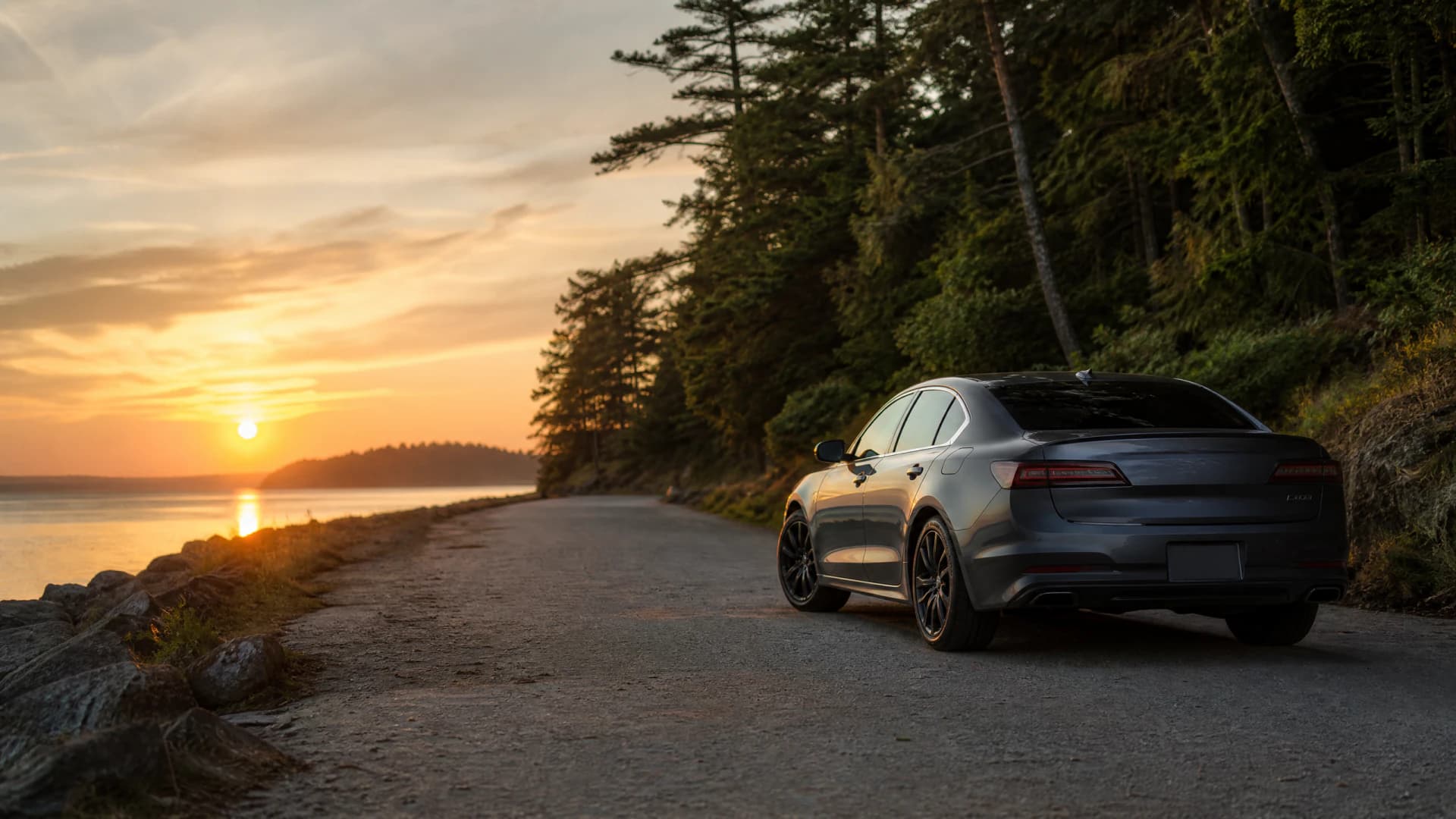
A larger discount percentage on a higher base rate often costs more than a smaller discount on a lower base rate. You need the final combined quote.
Related Articles





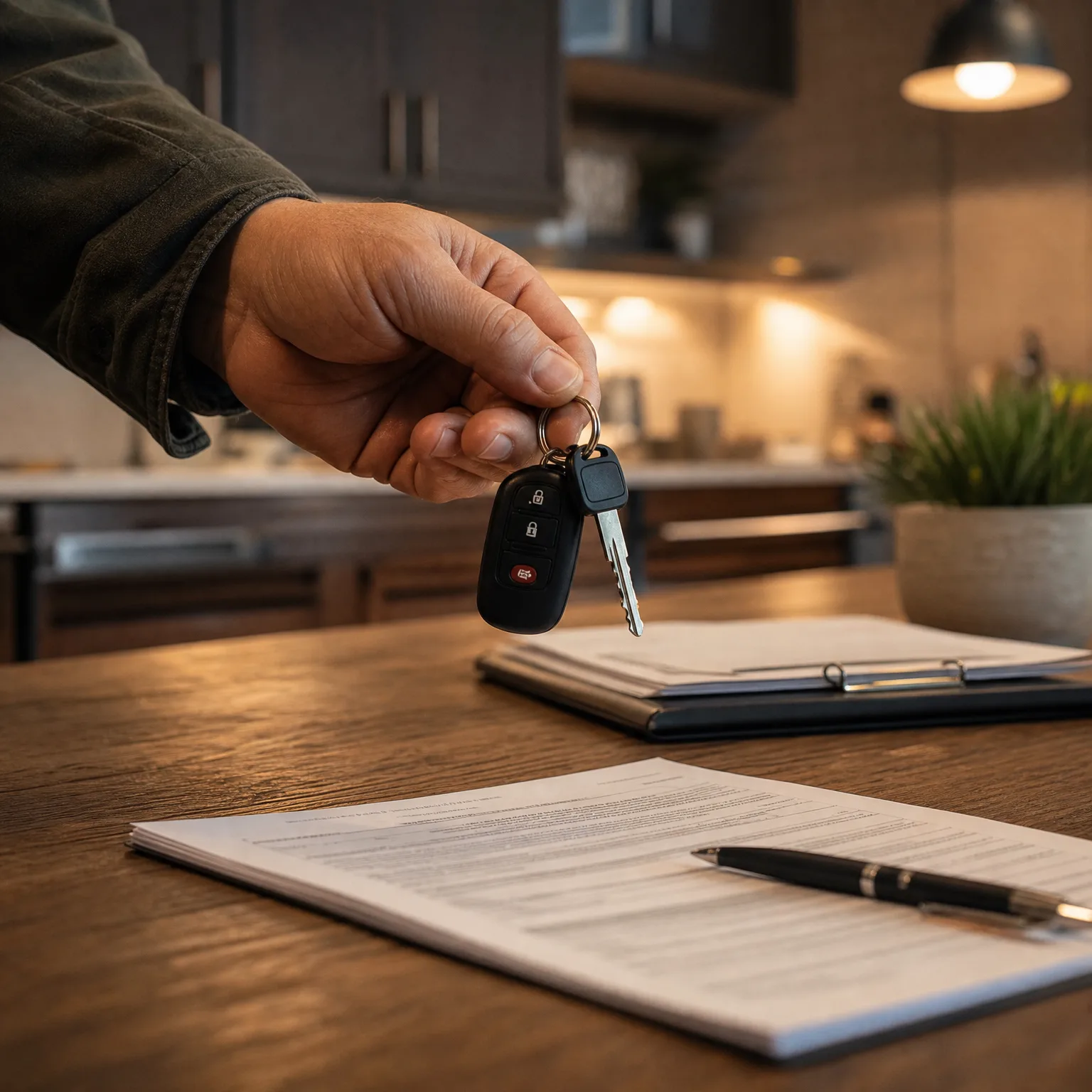

Comparing Carriers for Your Household's Vehicle Count
A two-car household and a four-car household face different rate structures. Carriers that offer the best rate for two vehicles do not always offer the best rate for four, because the marginal cost of adding a third or fourth vehicle varies by carrier. Some carriers apply the multi-car discount only to the first two vehicles; adding a third re-rates the policy but does not increase the discount percentage. Others extend the discount across every vehicle, producing a lower per-vehicle rate as you add more cars.
When you request quotes, provide accurate information for every vehicle: year, make, model, VIN, annual mileage, garaging ZIP code, and the primary driver assigned to each car. Inaccurate mileage or driver assignments can produce a quote that does not match the final premium, and carriers will re-rate the policy at binding if the information changes. If one vehicle is driven significantly more miles per year than the others, assign that car to the household's highest-mileage driver and confirm the carrier applies the multi-car discount to the entire policy, not just the lower-mileage vehicles.
If you're adding a vehicle mid-term to an existing policy, the carrier will re-rate the entire policy, not simply add a flat amount for the new car. The multi-car discount recalculates based on the new vehicle count, and your premium may increase by more or less than you expect depending on the new car's risk profile. Request a mid-term quote before you buy the car so you know the actual cost of adding it to your policy.
19 carriers
Insurers Writing in North Carolina
Nineteen carriers are confirmed writing auto insurance in North Carolina, including standard-tier, preferred-tier, and non-standard carriers. Not all offer competitive multi-car rates; compare at least three to find the lowest combined premium for your household.
North Carolina Department of Insurance carrier roster

What to Ask When You Request Multi-Car Quotes
Ask each carrier whether the multi-car discount applies to every vehicle on the policy or only to the first two. Ask whether the discount percentage changes if you add a third or fourth vehicle. Ask whether every vehicle must be garaged at the same address, and whether a car titled to a household member on a different policy can be added to yours. These questions surface the structural differences that determine your final premium.
Ask whether the carrier offers a bundling discount if you combine your auto policy with homeowners or renters insurance. Bundling can reduce your combined premium, but only if the bundled rate beats the sum of the best standalone rates you can find. Request separate quotes for auto-only and bundled coverage so you can compare the actual savings. Some carriers advertise large bundling discounts but start with higher base rates, producing a bundled premium that still costs more than two separate policies from lower-cost carriers.
Compare Carriers and Lock Your Rate
Request quotes from at least three carriers writing multi-car policies in North Carolina. Provide accurate vehicle and driver information for every car and every household member. Compare the final combined premium, not the discount percentage or the per-vehicle breakdown. The lowest total premium is the number that matters, and it often comes from a carrier you did not expect based on single-car advertising.
Once you identify the lowest combined premium, confirm the policy start date, the payment schedule, and the coverage limits for every vehicle. North Carolina requires proof of insurance at registration and renewal, and your carrier will file a DL-123 certificate with the state when you bind the policy. Lock your rate within the quote's validity window—most carriers hold a quote for 30 days—and confirm every vehicle is added to the policy before the coverage effective date. A car not listed on the policy at binding is not covered, even if you intended to add it later.
Which North Carolina Carriers Write Multi-Car Policies
Carriers writing standard and preferred-tier multi-car policies in North Carolina include Allstate, Geico, Progressive, State Farm, Nationwide, Liberty Mutual, Farmers, Travelers, and USAA. Geico, Progressive, and Nationwide offer online quotes for multi-vehicle households and typically return same-day rates. State Farm and Allstate require you to work with a local agent, but both write multi-car policies statewide and offer household-consolidation discounts. USAA restricts eligibility to military members, veterans, and their families, but writes multi-car policies with competitive rates for eligible households.
Carriers writing non-standard and higher-risk multi-car policies include Dairyland, Direct Auto, National General, and The General. These carriers typically accept drivers with recent violations or lapses, and they write multi-car policies, but their base rates are higher and their multi-car discounts smaller than standard-tier carriers. If your household includes a driver with a DUI, a suspended license, or a recent at-fault accident, you may need a non-standard carrier to get coverage, but expect to pay more per vehicle than a household with clean records.
Get Your Free Quote
Get My North Carolina Car Insurance QuoteFrequently Asked Questions
Do all North Carolina carriers offer multi-car discounts?
Most carriers writing auto insurance in North Carolina offer a multi-car discount when you insure two or more vehicles on the same policy. The discount percentage and the way it applies to each vehicle vary by carrier. Some apply the discount only to the first two vehicles; others extend it across every car on the policy.
Can I add a car titled to someone outside my household to my multi-car policy?
Most carriers require every vehicle on a multi-car policy to be titled to a member of the same household and garaged at the same address. A car titled to someone outside your household typically cannot be added to your policy and will not qualify for the multi-car discount. Confirm the carrier's same-policy requirements before you attempt to add the vehicle.
How much does adding a third vehicle to my North Carolina policy increase my premium?
Adding a third vehicle re-rates your entire policy based on the new car's year, make, model, garaging ZIP code, annual mileage, and assigned driver. The multi-car discount recalculates, and your premium may increase by more or less than you expect depending on the new vehicle's risk profile. Request a mid-term quote from your carrier before you buy the car to see the actual cost.
Which North Carolina carriers offer the lowest multi-car rates?
The carrier offering the lowest combined premium for your household depends on your vehicles, drivers, garaging ZIP code, and coverage selections. Geico, Progressive, State Farm, and USAA frequently produce competitive multi-car rates in North Carolina, but the lowest rate for a two-car household may not be the lowest for a four-car household. Compare quotes from at least three carriers to find the best rate for your specific situation.
Do I need to insure every household vehicle on the same policy to get the multi-car discount?
Yes. The multi-car discount applies only when every vehicle is listed on the same policy. If you or a household member maintains a separate policy for one of the cars, that vehicle does not count toward the multi-car discount on your policy. Consolidating every household vehicle onto one policy typically produces the lowest combined premium.