
Teen Driver Car Insurance — North Carolina
Free to compare
When Your Teen Gets Behind the Wheel
Your 15-year-old just received their Limited Learner Permit from the North Carolina Division of Motor Vehicles. They're learning to drive under your supervision, and you need to know whether your current household auto policy covers them, whether you need to add them explicitly, and what happens when they move from permit to provisional license nine months from now.
North Carolina's graduated licensing system creates three distinct insurance moments: the learner permit at 15, the Limited Provisional License at 16 after 60 supervised driving hours, and the full unrestricted license at 18. Each transition changes how carriers rate your household policy, especially when you insure multiple vehicles. The structural reality most families miss: the permit holder is typically covered automatically under your existing policy as a household member learning to drive, but the moment that provisional license is issued, the carrier re-rates every vehicle on the policy and the teen becomes a rated driver.
“The provisional license holder is rated on every vehicle on your policy, not just the car they drive, because they have access to all of them.”

Compare North Carolina Car Insurance Quotes Today
Get My North Carolina Car Insurance Quote60 hours
NC Supervised Driving Requirement
North Carolina requires 60 hours of supervised driving — 10 at night — before a 16-year-old can apply for a Limited Provisional License. The 9-month permit holding period runs concurrently. Both requirements must be met before the provisional license is issued.
North Carolina Division of Motor Vehicles graduated licensing rules
What North Carolina Requires for Teen Drivers
North Carolina mandates $50,000 bodily injury coverage per person, $100,000 per accident, and $50,000 property damage for every driver on your policy, including teens. Uninsured motorist coverage is required at the same limits. These minimums apply whether your teen drives their own vehicle or shares the family car.
The graduated licensing structure imposes additional restrictions that affect how you use the vehicles on your policy. A Limited Provisional License holder faces a 9:00 PM to 5:00 AM driving curfew and can carry no more than one passenger younger than 21 who is not a family member. These restrictions lift at 18 when the full license is issued, but carriers price the risk during the provisional period based on the teen's age and the household's claims history.
When you add a teen to a multi-vehicle household policy, the carrier re-rates the entire policy. The teen is assigned a primary vehicle — typically the one they drive most often — but the premium increase applies across all vehicles because the teen has access to every car listed on the policy. If your household owns three vehicles and your 16-year-old receives a provisional license, expect the carrier to re-rate all three vehicles at the next renewal or immediately if you report the license mid-term.

The moment your teen receives a Limited Provisional License, your carrier re-rates every vehicle on your household policy — not just the car the teen drives.






The Provisional License Window and Policy Timing
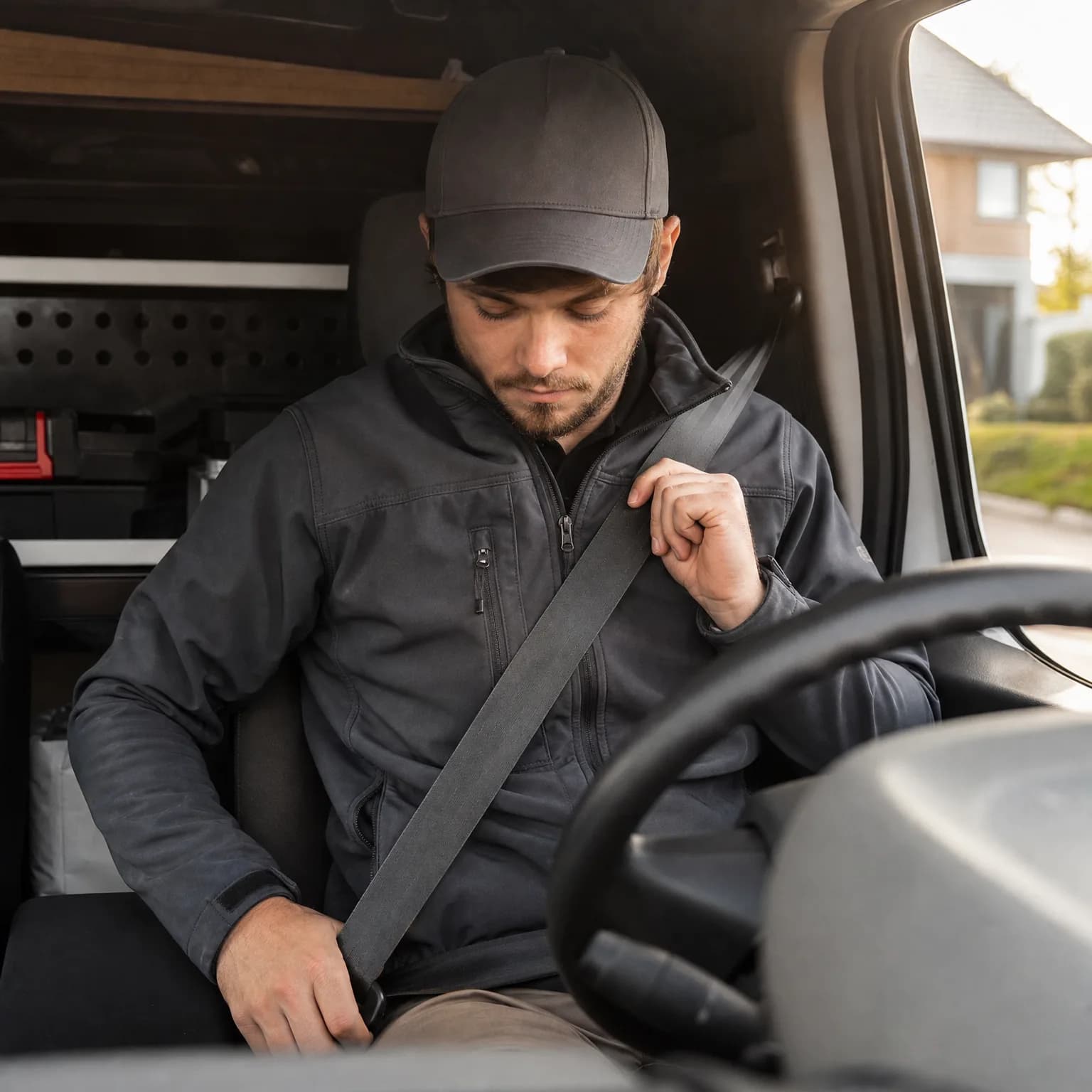
North Carolina issues the Limited Provisional License at 16 after the teen completes 60 supervised driving hours and holds the learner permit for at least 9 months. The provisional license carries a 9:00 PM curfew and a one-passenger restriction until the driver turns 18. During this two-year window, carriers price the teen as a high-risk driver, and your household policy premium reflects that risk across all vehicles.
If your policy renews mid-way through the provisional period, the carrier re-rates the policy at renewal based on the teen's current age and driving record. A violation during the provisional period — speeding, curfew violation, or passenger restriction violation — triggers a surcharge that applies to the entire household policy, not just the teen's primary vehicle. North Carolina's point system assigns points for moving violations, and a provisional license holder who accumulates points faces license suspension, which does not remove them from your policy until the suspension is resolved.
The structural trap most families encounter: they add the teen to the policy when the provisional license is issued, but they do not revisit the policy structure when the teen turns 18 and receives the full unrestricted license. At 18, the curfew and passenger restrictions lift, and some carriers reduce the teen driver surcharge. If you do not notify the carrier of the license upgrade, you may pay the provisional-period rate longer than necessary.
11.8%
NC Uninsured Motorist Rate
North Carolina's uninsured motorist rate is 11.8 percent, which means roughly one in nine drivers on the road carries no liability coverage. Uninsured motorist coverage is mandatory in North Carolina at the same limits as your liability coverage, and it protects your household when an uninsured driver causes an accident involving your teen.
Insurance Research Council, 2023 uninsured motorist data

Structuring Coverage Across Multiple Vehicles
When your household owns multiple vehicles and you add a teen driver, you face a coverage structure decision: whether to carry minimum liability only on the teen's primary vehicle, or whether to maintain full coverage — collision and comprehensive — across all vehicles including the one the teen drives. The decision hinges on the value of the vehicles and the deductible you can afford if the teen causes an accident or the vehicle is stolen.
North Carolina does not mandate collision or comprehensive coverage, but if any vehicle on your policy is financed or leased, the lender requires both. If you own all vehicles outright, you can drop collision and comprehensive on the teen's primary vehicle and carry only the state-required liability and uninsured motorist coverage. This lowers the premium, but it leaves you responsible for repair or replacement costs if the teen causes an accident or the vehicle is damaged by weather, theft, or vandalism. A vehicle worth less than a few thousand dollars is often a candidate for liability-only coverage, but a newer or higher-value vehicle typically justifies full coverage even with a teen driver.
Compare Carriers That Write Teen Driver Policies
Not every carrier writes multi-vehicle policies that include teen drivers at the same rate. North Carolina's carrier roster includes 19 insurers writing auto coverage in the state, and their approaches to teen driver rating vary. Some carriers offer a good-student discount that reduces the teen driver surcharge if the teen maintains a B average or higher. Others offer a discount for completing a state-approved driver education course beyond the minimum required for licensure. A few carriers allow you to exclude a teen driver from specific vehicles on your policy, which can lower the premium if the teen does not have access to a high-value or performance vehicle.
When you compare carriers, ask whether the teen's vehicle must be titled in your name to remain on your household policy, whether the carrier allows a teen-titled vehicle on a parent's policy, and whether the multi-car discount applies when a teen is a rated driver. The answers vary by carrier, and the difference in annual premium can be substantial when you insure three or more vehicles with a provisional license holder in the household.
How Multi-Vehicle Policies Handle Teen Drivers
Most carriers require every vehicle on a multi-car policy to be titled to the same household members or garaged at the same address. If you buy a car for your 16-year-old and title it in their name, some carriers will not allow that vehicle on your existing household policy — they require the teen to carry a separate policy, which eliminates the multi-car discount and costs significantly more than adding the vehicle to your existing policy. Other carriers allow a teen-titled vehicle on the parent's policy as long as the teen lives at the same address. The distinction matters: a separate teen policy for one vehicle typically costs more than adding that vehicle and the teen driver to your existing multi-car policy.
The alternative is to title the teen's vehicle in your name and list the teen as a rated driver on your household policy. This preserves the multi-car discount across all vehicles, but the teen is now rated on every vehicle on the policy, not just the one they drive. The carrier assigns the teen a primary vehicle for rating purposes, but because they have access to all vehicles listed, the premium increase applies to the entire policy. If your household owns a high-value vehicle or a performance car, expect a larger increase than if all vehicles are sedans or economy cars.
Get Your Free Quote
Get My North Carolina Car Insurance QuoteFrequently Asked Questions
Does my teen need their own car insurance policy in North Carolina?
No, your teen does not need a separate policy if they live in your household and you add them as a rated driver on your existing multi-vehicle policy. Most carriers allow you to list the teen on your household policy, which preserves the multi-car discount and costs less than a standalone teen policy. If the teen's vehicle is titled in their name, some carriers require a separate policy, so check with your carrier before titling the vehicle.
How much does adding a teen driver increase my car insurance premium in North Carolina?
The increase depends on the number of vehicles on your policy, the teen's age, and the value of the vehicles. Carriers re-rate your entire household policy when you add a teen driver, not just the vehicle the teen drives. A 16-year-old with a Limited Provisional License typically triggers a larger increase than an 18-year-old with a full license, and the increase applies across all vehicles on your policy because the teen has access to all of them.
Can I exclude my teen from driving certain vehicles on my policy?
Some North Carolina carriers allow you to exclude a teen driver from specific vehicles on your multi-car policy, which can lower your premium if the teen does not have access to a high-value or performance vehicle. Not all carriers offer this option, and excluding a driver means the carrier will not cover any claim involving that driver and that vehicle, so the exclusion must reflect actual household use.
What happens if my teen gets a ticket during the provisional license period?
A moving violation during the provisional license period triggers a surcharge that applies to your entire household policy, not just the teen's primary vehicle. North Carolina's point system assigns points for violations, and a provisional license holder who accumulates too many points faces suspension. The violation remains on the teen's driving record for three years and affects your household premium at every renewal during that period.
Do I need to notify my insurance carrier when my teen turns 18 and gets a full license?
Yes, notify your carrier when your teen receives the full unrestricted license at 18. The curfew and passenger restrictions lift, and some carriers reduce the teen driver surcharge at that point. If you do not report the license upgrade, you may continue paying the provisional-period rate longer than necessary. The carrier will verify the license status at your next renewal, but reporting it immediately ensures you receive any applicable rate reduction.