
Multi-Car Insurance Cost — North Carolina
Free to compare
What You're Actually Paying For
You just bought a second car, or you're about to add a third vehicle to your household, and you need to know what insuring all of them together costs per month in North Carolina. The question isn't just about adding one more premium to the stack — it's about whether combining vehicles on one policy changes the total, and by how much.
North Carolina requires every registered vehicle to carry at least $50,000 per person and $100,000 per accident in bodily injury liability, plus $50,000 in property damage liability, and uninsured motorist coverage at the same limits. Those minimums apply to each vehicle. The multi-car discount most carriers offer applies when you insure two or more vehicles on the same policy, but the discount structure and the way carriers re-rate your policy when you add a vehicle determine whether your total monthly cost goes up, stays flat, or sometimes even drops.
“The multi-car discount applies to the combined premium, not individual vehicle line items, and re-rating recalculates risk across the entire household.”

Compare North Carolina Car Insurance Quotes Today
Get My North Carolina Car Insurance Quote$50,000/$100,000/$50,000
North Carolina Liability Minimums
Every vehicle registered in North Carolina must carry at least $50,000 per person and $100,000 per accident in bodily injury liability, plus $50,000 in property damage liability. Uninsured motorist coverage at the same limits is also required.
North Carolina General Statutes § 20-279.21
How the Multi-Car Discount Actually Works
The multi-car discount is not a flat percentage off each vehicle. It's a policy-level adjustment that most carriers apply when you insure two or more vehicles on the same policy, typically garaged at the same address. The discount affects the combined premium, not individual vehicle line items.
When you add a second vehicle to an existing policy, the carrier re-rates the entire policy. That means both vehicles are priced together, and the multi-car discount applies to the new combined total. The result is usually lower than buying two separate policies, but not always lower than your original single-vehicle premium plus a simple add-on. The re-rating recalculates risk across the household.
Carriers writing multi-vehicle policies in North Carolina include State Farm, GEICO, Progressive, Allstate, Nationwide, Farmers, Liberty Mutual, Travelers, USAA, and others. Each carrier structures its multi-car discount differently — some apply a larger discount at two vehicles, others scale the discount as you add a third or fourth. The only way to know which structure saves you the most is to compare quotes with every vehicle listed on the same application.
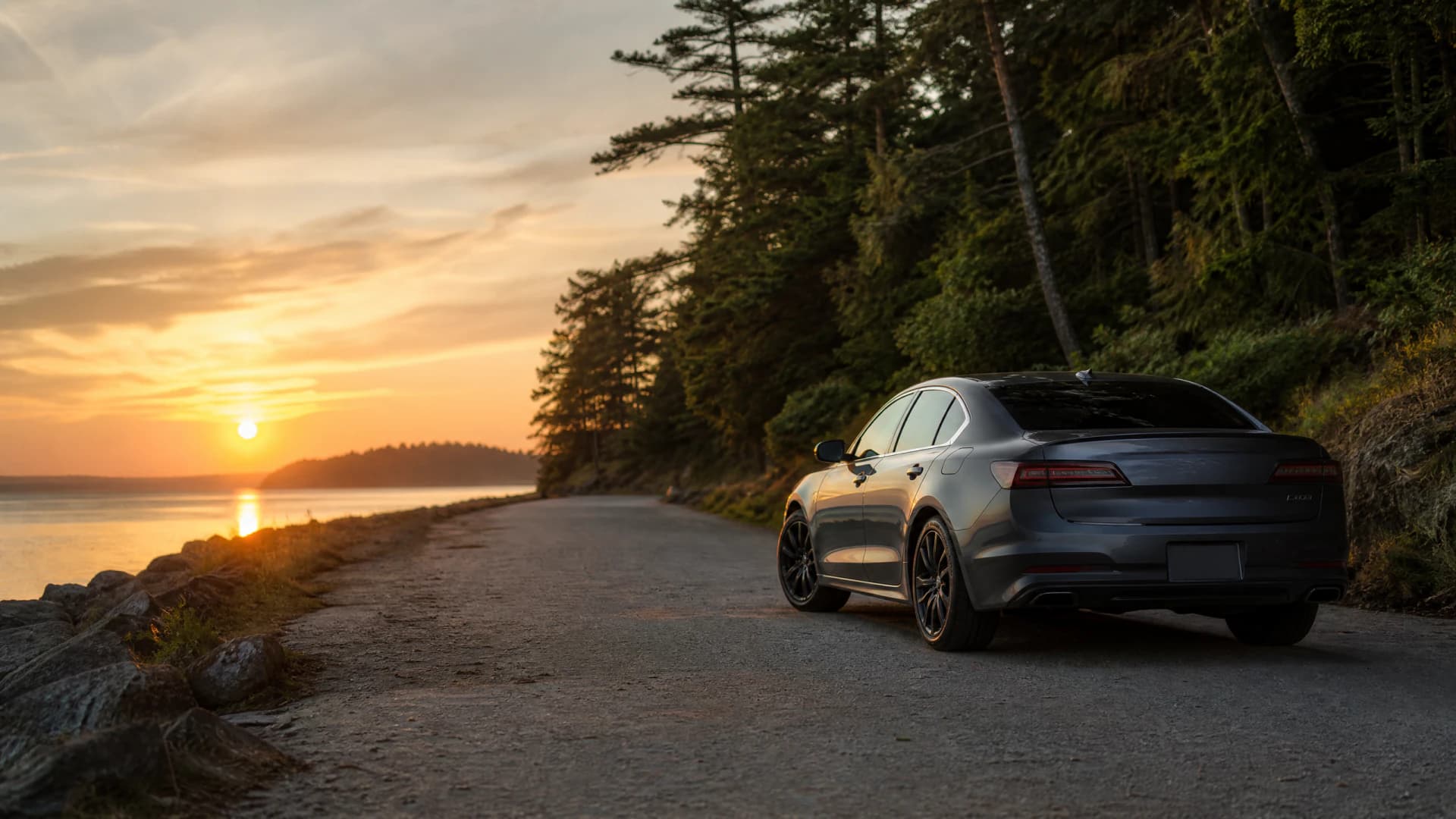
The multi-car discount requires every vehicle on the same policy. A car titled to someone outside your household or garaged at a different address may not qualify.






Adding a Vehicle Mid-Term
When you buy a new vehicle and add it to your existing multi-car policy mid-term, the carrier re-rates the policy immediately. You don't just pay a prorated add-on for the new car — the entire policy is recalculated with the new vehicle included, and your monthly payment adjusts accordingly. Most carriers give you a grace period to report the new vehicle, typically 14 to 30 days, during which your existing policy extends coverage automatically.
If you miss the reporting window, the new vehicle may not be covered at claim time. The grace period is not optional coverage — it's a reporting deadline. Once you report the vehicle, the carrier issues an updated policy with the new premium, and you owe the difference from the date you acquired the car, not the date you reported it.
Some households add a third or fourth vehicle and see their total premium go up less than expected because the multi-car discount scales with the number of vehicles. Others see a larger jump because the new vehicle is high-value or assigned to a young driver. The re-rating reflects the actual risk added, not a flat per-vehicle fee.
19 carriers
Multi-Vehicle Carriers in NC
At least 19 major carriers write multi-vehicle policies in North Carolina, including State Farm, GEICO, Progressive, Allstate, Nationwide, Farmers, Liberty Mutual, Travelers, and USAA. Each structures its multi-car discount and re-rating differently.

Combining Policies After Marriage or a Move
When two people with separate auto policies marry or move in together, combining both policies into one multi-car policy usually lowers the total cost. Each person's vehicles and drivers merge onto a single policy, and the multi-car discount applies to the combined household. The new policy reflects the best driver's record and the worst driver's record — both affect the rate.
If one spouse has a clean record and the other has a recent violation, the combined policy premium may be higher than the clean-record spouse's original premium but still lower than paying two separate policies. Carriers re-rate the entire household when you combine, so the result depends on the specific mix of vehicles, drivers, and coverage levels. Request quotes from at least three carriers with both spouses and all vehicles listed to see which offers the best combined rate.
What to Do Right Now
List every vehicle you need to insure: year, make, model, and garaging address. List every driver in your household who will operate any of those vehicles. Decide which vehicles need full coverage and which need only North Carolina's minimum liability and uninsured motorist coverage. Then request quotes from at least three carriers — State Farm, GEICO, Progressive, Allstate, or others writing in North Carolina — with every vehicle and driver included on the same application. The multi-car discount only applies when all vehicles sit on one policy, so splitting vehicles across policies to chase individual rates usually costs more than keeping them together. Compare the total monthly premium across carriers, not the per-vehicle breakdown, because the discount affects the combined number.
What Drives Your Multi-Vehicle Premium
Each vehicle's year, make, model, and garaging ZIP code affects the premium. A newer vehicle with comprehensive and collision coverage costs more to insure than an older car with liability only. The driver assigned to each vehicle matters — a teenage driver assigned to any vehicle on the policy raises the total premium significantly, even if they drive the oldest car in the household. North Carolina allows credit-based insurance scoring, so your credit history also influences the rate.
The coverage levels you choose apply per vehicle. You can carry full coverage on one car and minimum liability on another, and the policy reflects both. Deductibles are set per vehicle — a $500 deductible on one car and a $1,000 deductible on another is common. The multi-car discount applies to the total premium after all these choices are factored in, so the discount amount varies by household even when the percentage is the same.
Get Your Free Quote
Get My North Carolina Car Insurance QuoteFrequently Asked Questions
Does insuring two cars on one policy cost less than two separate policies in North Carolina?
Usually yes. Most carriers apply a multi-car discount when you insure two or more vehicles on the same policy, which lowers the combined premium compared to buying separate policies for each vehicle. The discount varies by carrier, so compare quotes with all vehicles listed together.
Can I insure two cars with different coverage levels on the same policy?
Yes. You can carry full coverage on one vehicle and minimum liability on another, all on the same multi-car policy. Each vehicle's coverage and deductible are set independently, and the multi-car discount applies to the total premium after those choices.
What happens to my premium when I add a third vehicle to my policy?
The carrier re-rates your entire policy with the new vehicle included. Your premium adjusts immediately to reflect the added vehicle's risk, and the multi-car discount recalculates based on three vehicles instead of two. Some carriers scale the discount larger as you add more vehicles.
Do both cars need to be garaged at the same address to get the multi-car discount?
Most carriers require all vehicles on a multi-car policy to be garaged at the same address. A vehicle garaged elsewhere or titled to someone outside your household may not qualify for the same-policy discount, even if you want to insure it.
How long do I have to add a newly purchased vehicle to my existing policy?
Most carriers give you 14 to 30 days to report a newly acquired vehicle, during which your existing policy extends coverage automatically. If you miss the deadline, the new vehicle may not be covered at claim time. Report it as soon as you buy it to avoid gaps.
Does combining two policies after marriage always save money?
Usually, but not always. Combining policies triggers a full re-rating of the household, and the new premium reflects both spouses' driving records, all vehicles, and all drivers. If one spouse has a recent violation, the combined rate may be higher than the clean-record spouse's original premium, but still lower than two separate policies.