
How to Lower Your Car Insurance Rate — North Carolina
Free to compare
Why Your Multi-Car Premium Is Higher Than You Expected
You added a second or third vehicle to your North Carolina auto policy and the premium jumped more than the cost of insuring one additional car. The increase feels disproportionate because you expected the multi-car discount to offset most of the added cost. Instead, the combined premium is higher than you budgeted, and you need to understand what drives the number and how to bring it down.
The structural reality: adding a vehicle to an existing policy re-rates the entire policy, not just the new car. Every vehicle on the policy is re-priced based on the household's total risk profile — the drivers, the vehicles, the garaging address, and the coverage levels you carry. The multi-car discount applies, but it operates on the new combined base rate, which may be higher than the sum of the individual vehicles priced separately. Understanding this mechanism is the first step toward lowering your rate.
“Adding a vehicle mid-term re-rates your entire policy based on the household's total risk profile, not just the new car.”

Compare North Carolina Car Insurance Quotes Today
Get My North Carolina Car Insurance Quote$50,000/$100,000/$50,000
North Carolina Liability Minimums
North Carolina requires $50,000 bodily injury per person, $100,000 bodily injury per accident, and $50,000 property damage. Every vehicle on your policy must meet these minimums, and carriers price coverage above these floors based on your household's risk profile.
North Carolina Department of Insurance
How Multi-Car Policies Are Priced in North Carolina
Carriers price multi-car policies by evaluating the household as a single risk unit. They consider every driver who has access to any vehicle on the policy, every vehicle's make and model and age, the garaging address for each car, and the coverage levels you select. When you add a vehicle, the carrier re-runs this calculation for the entire household. The result is a new base rate that reflects the combined risk, and the multi-car discount applies to that new base.
The multi-car discount itself requires every vehicle to sit on the same policy. If a household member owns a car titled in their name and insures it on a separate policy, that vehicle does not count toward the multi-car discount on your policy. The discount applies only to vehicles listed together on one policy, typically garaged at the same address. This is why combining two separate policies after marriage or a household move often lowers the combined premium: the discount activates when the vehicles consolidate.
North Carolina does not use SR-22 certificates. The state uses the DL-123 insurance form, a certificate of liability insurance provided by a North Carolina-licensed insurer and presented by the driver. The DL-123 is required for original licensure, restoration, and court-granted Limited Driving Privileges, but it is not a continuous filing like an SR-22. For ordinary multi-vehicle households, the DL-123 is not relevant — you simply maintain continuous coverage that meets the state minimums and provide proof when registering or renewing a vehicle.
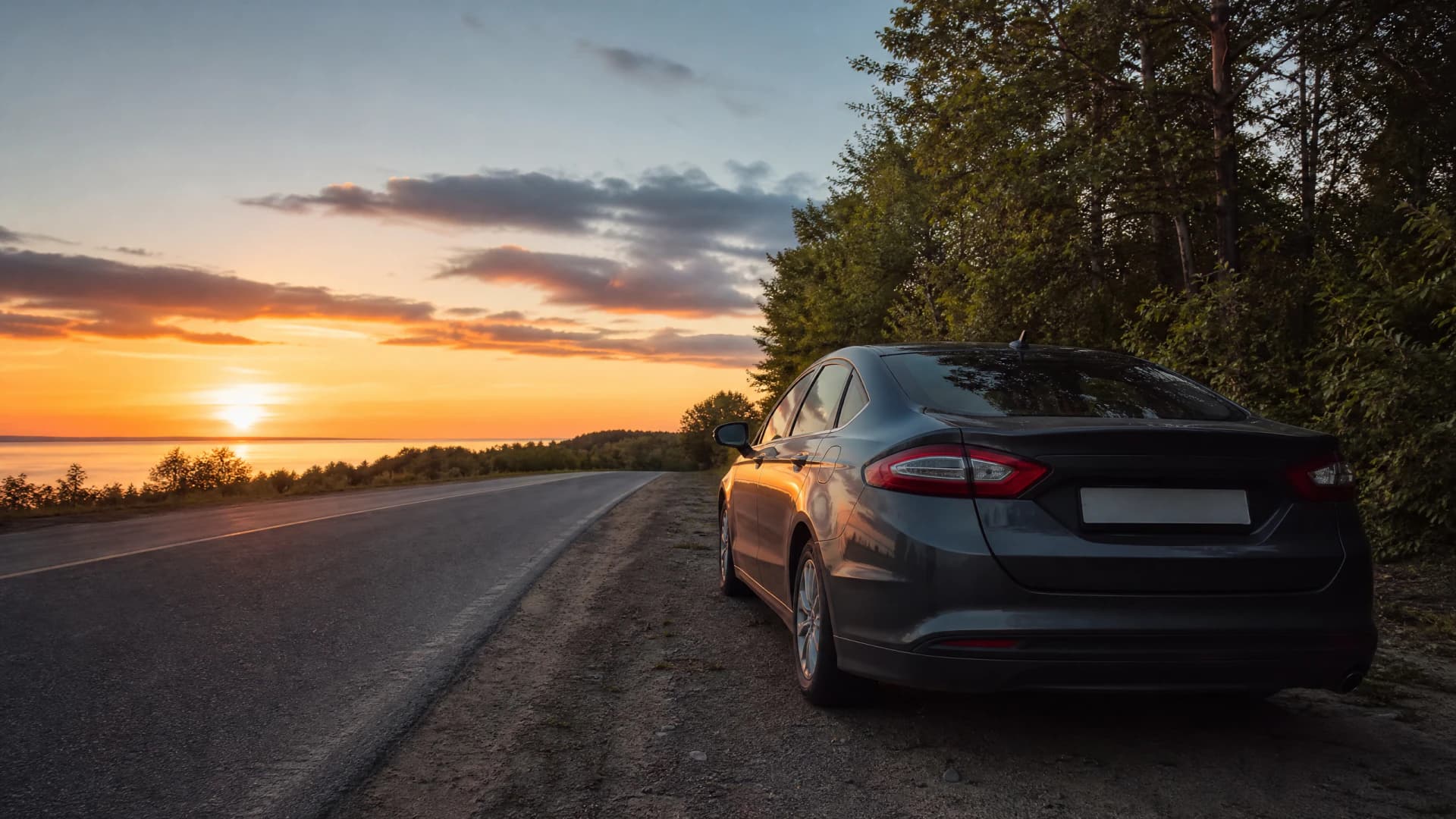
Adding a vehicle mid-term re-rates your entire policy, not just the new car. The multi-car discount applies to the new combined base rate, which may be higher than you expected.




Timing and Re-Rating: When Changes Take Effect
Changes to your policy take effect immediately when you add or remove a vehicle, adjust coverage levels, or change drivers. The carrier re-rates the policy at that moment and issues a revised premium. If you add a vehicle mid-term, the new premium applies for the remainder of the policy period, and you pay the difference as an additional premium. If you remove a vehicle or drop coverage, the carrier refunds the unused premium on a pro-rata basis.
Renewal is the cleanest time to restructure your policy. At renewal, the carrier re-rates the entire policy from scratch based on the current household profile. This is when you compare carriers, adjust coverage levels, and consolidate vehicles without mid-term adjustments. If your renewal premium is higher than you expected, request quotes from at least three other carriers before renewing. The difference between the highest and lowest quote for the same household can be substantial.
North Carolina law requires uninsured motorist coverage on every auto policy. You can reject it in writing, but most households with multiple vehicles benefit from carrying it. Uninsured motorist coverage pays when another driver causes an accident and has no insurance or insufficient coverage. In North Carolina, 11.8 percent of motorists are uninsured, which means roughly one in nine drivers on the road cannot pay for the damage they cause. Uninsured motorist coverage protects your household's vehicles and drivers without requiring you to sue the at-fault driver.
19 carriers
North Carolina Auto Insurers
Nineteen carriers write auto insurance in North Carolina, including Allstate, Geico, Progressive, State Farm, USAA, Farmers, Nationwide, Liberty Mutual, and Travelers. Each carrier prices multi-car households differently, and comparing quotes from at least three carriers is the most effective way to lower your rate.
North Carolina Department of Insurance carrier roster

Coverage Decisions That Affect Multi-Car Pricing
Liability coverage is mandatory in North Carolina, and the state minimums are $50,000 bodily injury per person, $100,000 bodily injury per accident, and $50,000 property damage. These minimums apply to every vehicle on your policy. Higher limits increase your premium, but the incremental cost is smaller on a multi-car policy than on a single-car policy because the discount applies to the higher base rate.
Collision and comprehensive coverage are optional, but lenders require them if you finance or lease a vehicle. Collision pays for damage to your car in an accident regardless of fault. Comprehensive pays for damage from theft, weather, vandalism, and animal strikes. On a multi-car policy, you can carry different coverage levels on different vehicles. A newer financed car requires full coverage, while an older paid-off car may only need liability. This flexibility lets you structure coverage based on each vehicle's value and use, and it is one of the most effective ways to lower your multi-car premium without increasing your out-of-pocket risk.
Compare Carriers That Write Multi-Car Policies
The carrier that offered the best rate when you insured one vehicle may not be the best option for a multi-car household. Carriers use different underwriting models, and some price multi-car policies more competitively than others. Geico, Progressive, State Farm, Allstate, and USAA all write multi-car policies in North Carolina, and their pricing varies based on the number of vehicles, the drivers, the garaging address, and the coverage levels you select. Request quotes from at least three carriers, and provide identical coverage levels and deductibles for each quote so you can compare apples to apples.
When comparing quotes, confirm that every vehicle on the policy qualifies for the multi-car discount. Some carriers require all vehicles to be garaged at the same address. Others allow vehicles garaged at different addresses within the same household. If a household member attends college in another city and takes a car with them, ask whether that vehicle still qualifies for the multi-car discount or whether it must be listed separately. The answer affects both the discount and the total premium, and it varies by carrier. Clarify this before binding coverage.
Four Levers That Lower Your Multi-Car Rate
First, consolidate every vehicle onto one policy. The multi-car discount applies only when all household vehicles sit on the same policy. If a household member insures their car separately, move it to the shared policy. Second, raise your deductibles on collision and comprehensive coverage. Carriers price deductibles as discrete products, so choose the highest amount you can afford to pay out of pocket at claim time.
Third, drop collision and comprehensive coverage on older vehicles. When a car's value falls below the point where the annual premium for physical-damage coverage exceeds 10 percent of the vehicle's value, dropping those coverages and carrying liability only makes financial sense. Fourth, compare carriers that write multi-car policies in North Carolina. Carriers price the same household differently based on their underwriting models, and the carrier that offered the best rate when you insured one vehicle may not be the best option for a multi-car household. Nineteen carriers write auto insurance in North Carolina, and their multi-car pricing varies significantly.
Get Your Free Quote
Get My North Carolina Car Insurance QuoteFrequently Asked Questions
Does the multi-car discount apply automatically when I add a second vehicle?
The multi-car discount applies when every vehicle sits on the same policy, typically garaged at the same address. Adding a second vehicle triggers the discount, but the carrier re-rates the entire policy based on the household's total risk profile. The discount applies to the new combined base rate, which may be higher than the sum of the individual vehicles priced separately.
Can I carry different coverage levels on different vehicles on the same policy?
Yes. You can carry full coverage on a financed vehicle and liability-only on an older paid-off car. Each vehicle on the policy can have different collision and comprehensive deductibles and different coverage limits above the state minimums. This flexibility lets you structure coverage based on each vehicle's value and use.
How much does raising my deductible lower my premium on a multi-car policy?
The savings depend on the carrier, the vehicles, and the current deductible. The savings compound across multiple vehicles, but the exact amount varies by household. Request quotes with different deductible levels to compare the premium difference.
Do all carriers in North Carolina offer a multi-car discount?
Most carriers writing auto insurance in North Carolina offer a multi-car discount, but the discount's size and requirements vary by carrier. Some require all vehicles to be garaged at the same address. Others allow vehicles at different addresses within the same household. Compare quotes from at least three carriers to find the best multi-car rate for your household.
What happens to my premium if I remove a vehicle from my policy mid-term?
The carrier re-rates the policy immediately and refunds the unused premium on a pro-rata basis. Removing a vehicle lowers your premium, but the reduction may be smaller than you expect because the multi-car discount applies to fewer vehicles. The carrier recalculates the base rate for the remaining vehicles and applies the discount to the new total.