
Cheaper Auto Insurance — North Carolina
Free to compare
The Multi-Vehicle Premium Problem
You added a second car to your North Carolina policy and the premium jumped more than you expected. You added a third vehicle and the increase felt disproportionate. The problem is not the vehicles themselves: it is how the policy prices risk across all of them simultaneously, re-rating the entire household every time you add or remove a car.
Most households treat each vehicle as a separate coverage decision, selecting collision and comprehensive independently for each car and accepting whatever premium the carrier quotes. That approach leaves money on the table. The structural reality: a multi-vehicle policy in North Carolina is one shared liability limit covering every car, and the way you coordinate physical-damage coverage across those vehicles determines whether you overpay or optimize.
“A multi-vehicle policy in North Carolina is one shared liability limit covering every car, not separate limits per vehicle.”

Compare North Carolina Car Insurance Quotes Today
Get My North Carolina Car Insurance Quote$50,000/$100,000/$50,000
North Carolina Minimum Liability
North Carolina requires $50,000 bodily injury per person, $100,000 per accident, and $50,000 property damage. That limit applies to the entire policy, not per vehicle, so adding a second or third car does not multiply your liability exposure if you maintain one shared limit.
North Carolina Department of Insurance
One Policy, Shared Limits
A multi-vehicle policy in North Carolina carries one liability limit that covers every car on the policy. When you add a second vehicle, you are not buying a second liability policy: you are adding another insured vehicle under the same bodily-injury and property-damage limits you already carry. The premium increases because the carrier now covers two vehicles that could cause a claim, but the liability limit itself does not double.
This structure creates the first savings opportunity. If you carry higher-than-minimum liability limits on your first car and add a second vehicle, you do not need to buy separate higher limits for the second car. The shared limit already covers both. Households that assume each car needs its own liability selection often end up with redundant coverage they never needed.
Uninsured motorist coverage works the same way in North Carolina, where UM is mandatory. The UM limit you select covers every vehicle on the policy. Adding a third car does not require a third UM selection. One limit, multiple vehicles, one premium component shared across the household.
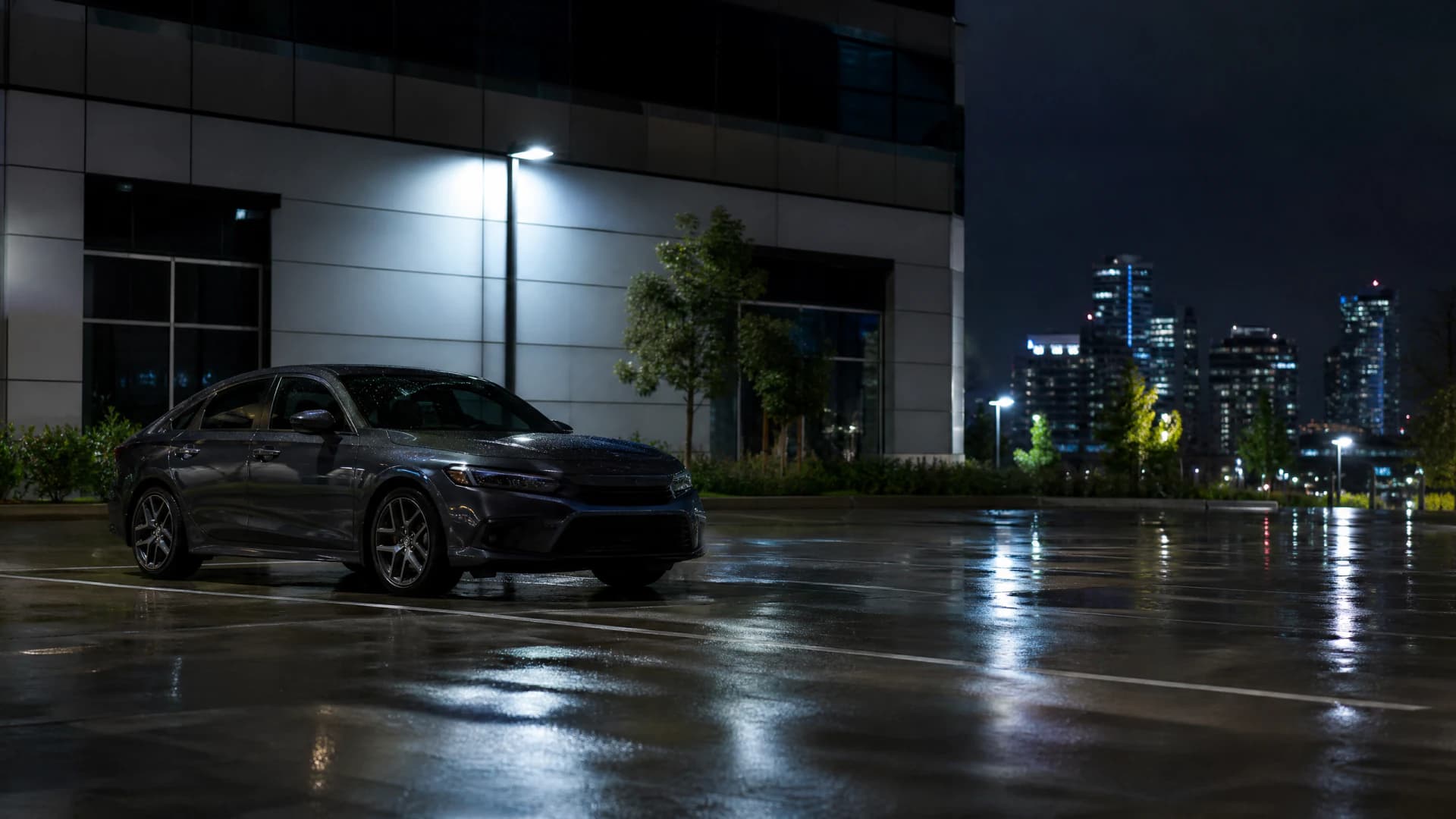
The multi-car discount requires every vehicle to sit on the same policy. A car titled to someone outside the household or on a separate policy does not qualify.
Related Articles




Deductible Strategy Across Vehicles
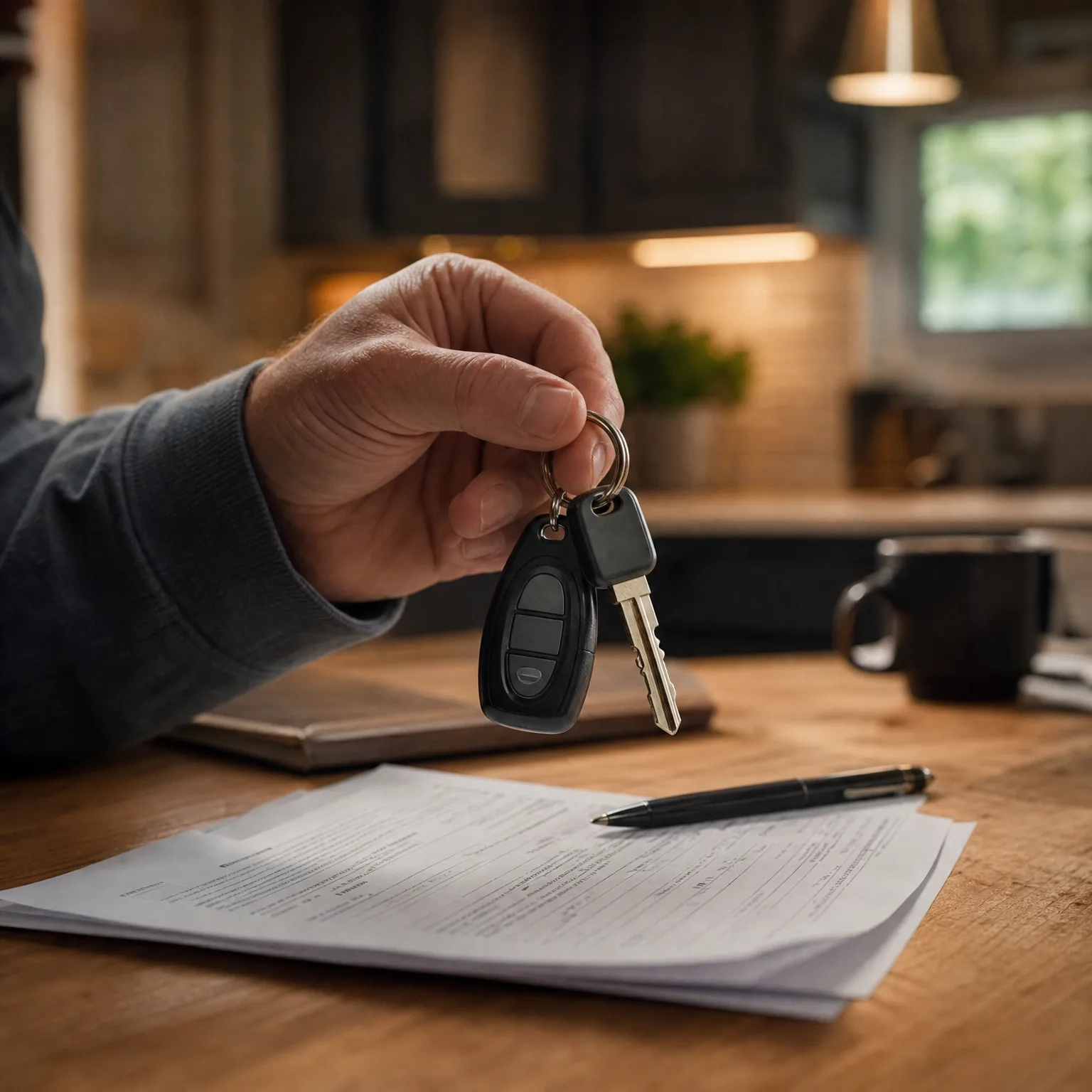
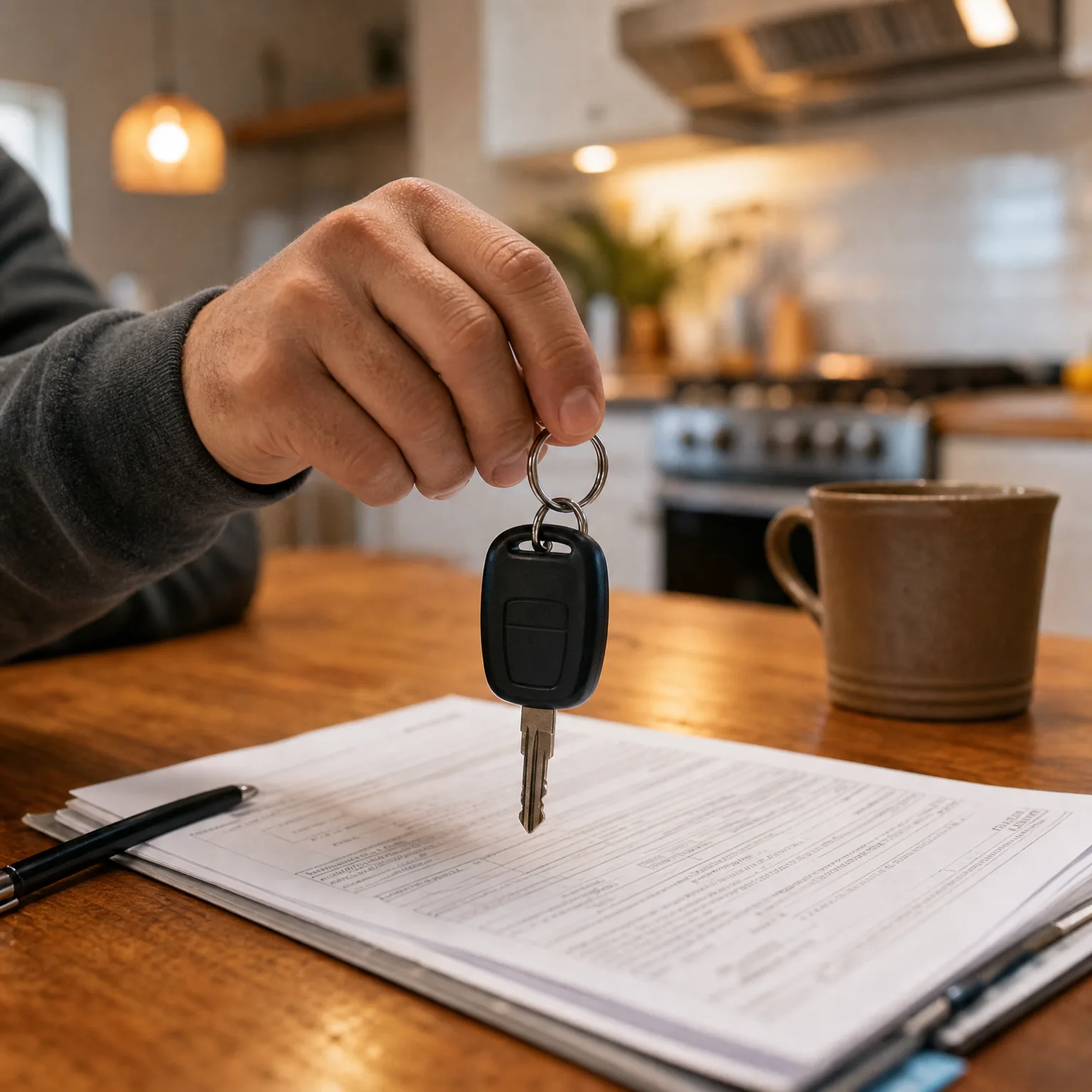
Deductibles are set per vehicle, and raising them is the fastest way to lower physical-damage premiums without dropping coverage entirely. A household with three vehicles can carry a lower deductible on the newest car and higher deductibles on the older two, balancing protection on the asset that matters most while reducing premium on the others.
The failure mode: selecting the same deductible across all vehicles because it feels simpler. A household driving a 2022 sedan, a 2015 SUV, and a 2010 truck does not need identical deductibles. The 2022 sedan might justify a $500 deductible. The 2015 SUV might work better at $1,000. The 2010 truck might not justify collision coverage at all if its value has dropped low enough. Each decision is independent, and the total policy premium reflects all of them.
Carriers re-rate the entire policy when you adjust any vehicle's coverage or deductible. That means you can model different combinations: raising the deductible on two vehicles and keeping it lower on one, or dropping collision on the oldest car and keeping it on the other two. The multi-vehicle structure lets you optimize across the household rather than treating each car in isolation.
19 carriers
North Carolina Multi-Vehicle Carriers
Nineteen carriers writing auto insurance in North Carolina offer multi-vehicle policies, including Allstate, Geico, Progressive, State Farm, Nationwide, Farmers, and USAA. Not all carriers price multi-vehicle households the same way: some weight the multi-car discount more heavily, others price physical-damage coverage more competitively on older vehicles.
North Carolina Department of Insurance carrier roster
Comparing Carriers on Structure
The multi-car discount exists at every major carrier writing in North Carolina, but the discount percentage is not the information that matters. What matters is how each carrier prices the base premium before applying the discount, how they rate physical-damage coverage on older vehicles, and whether their underwriting treats a third or fourth vehicle as additional risk or as a marginal addition to an already-rated household.
A carrier offering a larger percentage discount on a higher base rate can cost more than a carrier with a smaller discount on a lower base. The only way to know which structure works better for your household is to compare quotes with identical coverage selections across all vehicles: same liability limits, same UM limits, same physical-damage coverage and deductibles on each car. That comparison isolates the carrier's pricing structure rather than conflating it with coverage differences.
Compare Carriers Writing Your Household
North Carolina households managing multiple vehicles need quotes from carriers that write multi-vehicle policies in the state and can price your specific combination of vehicles, drivers, and coverage needs. The comparison must hold coverage constant: identical liability limits, identical UM coverage, and identical physical-damage selections per vehicle. That isolates which carrier prices your household most competitively.
Use the site's comparison tool to request quotes from carriers writing in North Carolina. Provide accurate information for every vehicle: year, make, model, garaging address, and annual mileage. Specify the same coverage structure across all quotes so you are comparing carrier pricing, not coverage differences. The tool connects you to carriers that write multi-vehicle policies and can deliver quotes based on your actual household structure.
Coordinating Physical-Damage Coverage
Each car on your policy can carry different physical-damage coverage. Your newer vehicle might justify collision and comprehensive with a lower deductible. Your older car might not justify collision at all if its value has depreciated below the point where the annual premium exceeds what you would recover in a total-loss claim. The mistake most households make: selecting the same coverage and deductible for every vehicle without comparing each car's value to its physical-damage premium.
North Carolina does not require collision or comprehensive coverage unless your lender does. If you own an older vehicle outright and its value sits below a threshold where collision premiums no longer make financial sense, dropping that coverage on that one car lowers your total policy premium without reducing liability protection across the household. The shared liability limit still covers every vehicle. You are only removing the optional physical-damage coverage from the car where it no longer pays.
Get Your Free Quote
Get My North Carolina Car Insurance QuoteFrequently Asked Questions
Does adding a second car to my North Carolina policy double my liability coverage?
No. Your liability limit covers the entire policy, not each vehicle separately. Adding a second car increases premium because the carrier now insures two vehicles that could cause a claim, but the bodily-injury and property-damage limits you selected cover both cars under one shared limit.
Can I drop collision coverage on one vehicle and keep it on another in North Carolina?
Yes. Collision and comprehensive are optional in North Carolina unless required by a lender. You can drop physical-damage coverage on an older vehicle while keeping it on a newer one. The shared liability limit still covers every vehicle on the policy.
Do all vehicles on my North Carolina policy need the same deductible?
No. Each vehicle can carry a different deductible. A household with three cars can set a lower deductible on the newest vehicle and higher deductibles on the older two, lowering the total policy premium while maintaining protection where it matters most.
What is the multi-car discount in North Carolina?
The multi-car discount reduces your premium when you insure two or more vehicles on the same policy. Every major carrier writing in North Carolina offers it, but the discount applies only when all vehicles sit on one policy with the same policyholder and typically the same garaging address.
How do I compare multi-vehicle insurance rates in North Carolina?
Request quotes from multiple carriers with identical coverage selections across all vehicles: same liability limits, same uninsured-motorist coverage, and same physical-damage coverage and deductibles per car. That comparison isolates carrier pricing rather than conflating it with coverage differences.
Does North Carolina require uninsured motorist coverage on a multi-vehicle policy?
Yes. North Carolina mandates uninsured motorist coverage, and the UM limit you select covers every vehicle on the policy. Adding a second or third car does not require a separate UM selection; one limit covers the entire household.