
Minimum Liability Coverage Limits — North Carolina
Free to compare
What North Carolina Requires on Every Policy
North Carolina requires minimum liability coverage of $50,000 per person for bodily injury, $100,000 per accident for bodily injury, and $50,000 per accident for property damage. These limits apply to every auto insurance policy in the state, whether you insure one car or four. The state also mandates uninsured motorist coverage at the same minimums unless you reject it in writing.
When you add a second or third vehicle to your policy, the liability limits do not increase. A household with three cars on one policy carries the same $100,000 per-accident bodily injury cap as a household with one car. That structural reality creates a coverage gap many multi-car households discover only after an accident involving more than one of their vehicles.
“A household with three cars on one policy carries the same $100,000 per-accident bodily injury cap as a household with one car.”

Compare North Carolina Car Insurance Quotes Today
Get My North Carolina Car Insurance Quote$50,000 / $100,000 / $50,000
NC Minimum Liability Limits
North Carolina's statutory minimums are $50,000 per person for bodily injury, $100,000 per accident for bodily injury, and $50,000 per accident for property damage. These limits apply to the policy, not to each vehicle on the policy.
North Carolina General Statutes § 20-279.21
How Per-Policy Limits Work Across Multiple Vehicles
The $100,000 per-accident bodily injury limit is the maximum your insurer pays for all bodily injury claims arising from a single accident, regardless of how many vehicles on your policy are involved. If two of your household's cars are in separate accidents on the same day, each accident has its own $100,000 limit. If both cars are involved in the same accident, they share one $100,000 limit.
The $50,000 property damage limit works the same way. One accident, one limit, no matter how many of your vehicles participate. A multi-vehicle household that carries only state minimums has the same per-accident protection as a single-car household, even though the household's total exposure scales with the number of cars on the road.
North Carolina's uninsured motorist coverage requirement mirrors the liability minimums unless you reject it in writing. That coverage protects you when another driver causes an accident and carries no insurance or insufficient insurance. The same per-policy structure applies: $100,000 per accident, shared across all vehicles and occupants on your policy.
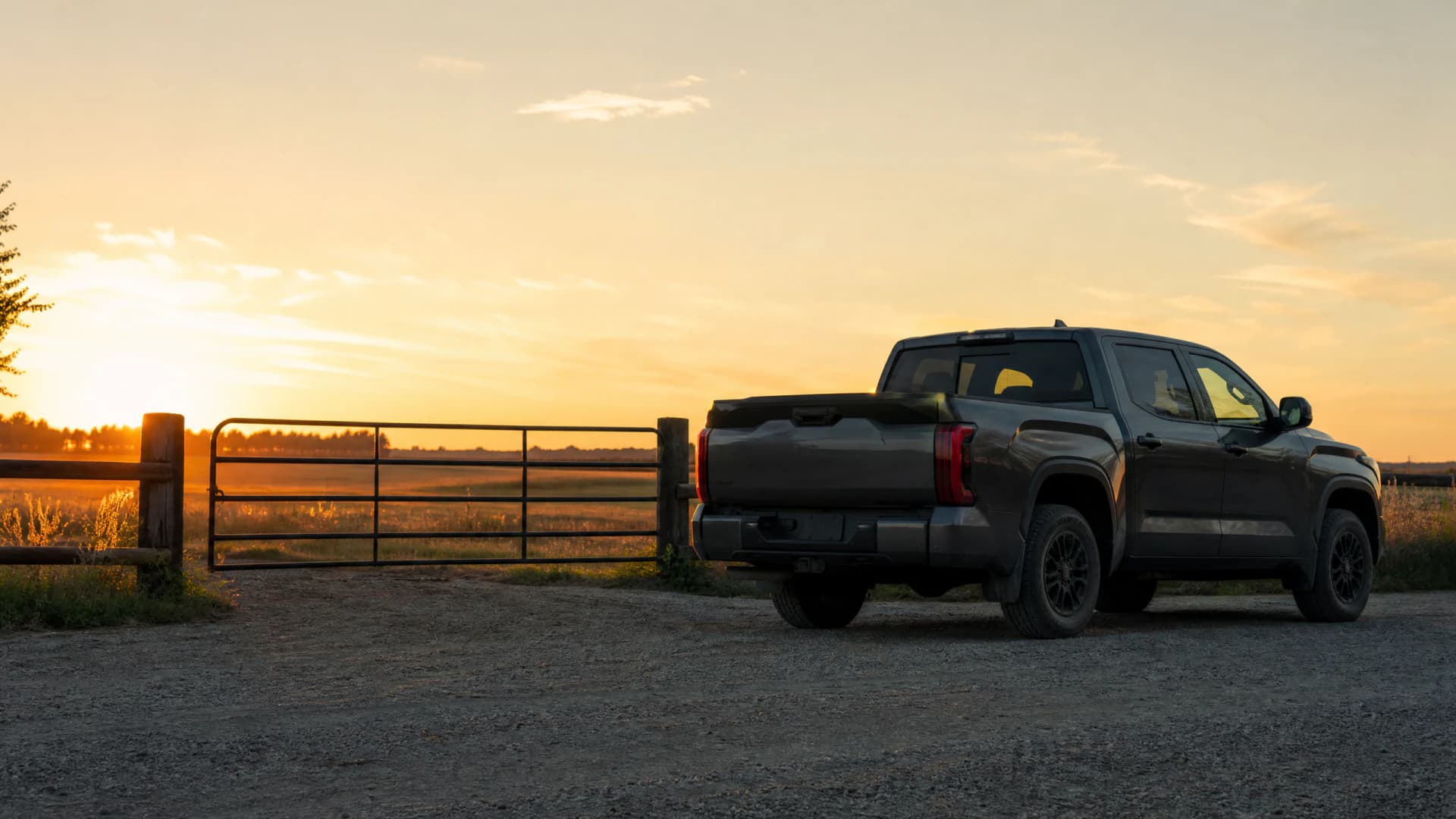
Your policy's $100,000 bodily injury limit is shared across every vehicle you insure and every person injured in a single accident, no matter how many cars you own.
Related Articles
Multi-Car Insurance Requirements North Carolina
7/15/2026
NC Car Insurance Laws Multi-Car Households
7/15/2026

North Carolina Minimum Car Insurance
7/15/2026
NC Minimum Liability Limits Explained
7/15/2026
How Much Liability Coverage for Multiple Cars NC
7/15/2026
Multi-Car Coverage Rules North Carolina
7/15/2026
How Carriers Structure Multi-Car Policies in North Carolina
Carriers writing multi-car policies in North Carolina include Geico, Progressive, State Farm, Allstate, Nationwide, Farmers, Liberty Mutual, and USAA. Each insures all household vehicles on a single policy with one set of liability limits applying to the entire policy. The multi-car discount reduces the per-vehicle premium, but it does not increase the per-policy liability cap.
When you request a quote for multiple vehicles, the carrier prices each vehicle separately, then applies the multi-car discount to the total premium. The liability limits you select apply to the policy as a whole. If you choose the state minimum $50,000/$100,000/$50,000, that is the coverage ceiling for every accident involving any vehicle on the policy, regardless of how many cars you insure.
Some carriers allow you to assign different coverage levels to different vehicles on the same policy, but the liability limits remain per-policy, not per-vehicle. You can carry collision and comprehensive on one car and liability-only on another, but the $100,000 bodily injury cap applies to accidents involving either car.
11.8%
NC Uninsured Motorist Rate
Uninsured motorist coverage is mandatory in North Carolina unless rejected in writing, and it mirrors the liability minimums at $50,000/$100,000/$50,000.
Insurance Research Council, 2023

Raising Limits When You Insure Multiple Vehicles
The higher limit provides more protection when multiple injured parties file claims, but it still operates as a single per-accident cap.
Uninsured motorist coverage can be increased independently of liability limits. North Carolina allows you to carry higher UM limits than your liability limits, though most carriers default to matching them.
Compare Carriers That Write Multi-Car Policies in North Carolina
Nineteen carriers write auto insurance in North Carolina, and most write multi-car policies with the multi-car discount. Geico, Progressive, State Farm, Allstate, and Nationwide dominate the multi-car market. Each structures liability limits the same way: per policy, not per vehicle. The difference lies in how each prices the second and third vehicle, how steep the multi-car discount runs, and whether the carrier writes non-standard or high-risk drivers.
Request quotes from at least three carriers, specifying every vehicle you intend to insure and every driver in the household. Compare the total premium and the liability limits each quote assumes. Many quotes default to state minimums unless you request higher limits. Confirm that every vehicle is listed on the same policy; splitting vehicles across two policies forfeits the multi-car discount and creates coordination problems when a claim involves more than one household vehicle.
When Minimum Limits Fall Short for Multi-Car Households
A household with three cars on one policy sends two drivers out simultaneously. One driver causes an accident injuring two people; the other is rear-ended at a stoplight minutes later, injuring the other driver. If both accidents happen within the same hour and are reported as separate incidents, each has its own $100,000 bodily injury limit. If both accidents are part of a chain reaction on the same road, they may be treated as a single occurrence, and the $100,000 limit is shared across all injured parties.
The property damage limit presents a similar risk. A household driver causes an accident damaging two parked cars and a fence. The $50,000 property damage limit must cover all three. Adding a third household vehicle to the policy does not increase that $50,000 cap.
Get Your Free Quote
Get My North Carolina Car Insurance QuoteFrequently Asked Questions
Do North Carolina's minimum liability limits apply to each car I insure?
No. The $50,000/$100,000/$50,000 minimums apply to the policy, not to each vehicle. A household with three cars on one policy has the same per-accident liability cap as a household with one car.
What happens if two of my cars are in separate accidents on the same day?
Each accident has its own $100,000 bodily injury limit if they are separate incidents. If both accidents are part of the same chain of events, they may be treated as a single occurrence and share one $100,000 limit.
Does adding a second car to my policy increase my liability coverage?
No. Adding vehicles to your policy does not increase the per-policy liability limits. You must request higher limits from your carrier to increase the per-accident cap.
Is uninsured motorist coverage required in North Carolina?
Yes, unless you reject it in writing. North Carolina requires uninsured motorist coverage at the same minimums as liability: $50,000/$100,000/$50,000. The coverage protects you when another driver causes an accident and carries no insurance.
Can I carry different liability limits on different cars on the same policy?
Liability limits apply to the policy, not to individual vehicles. You can assign different collision and comprehensive coverage to different cars, but the bodily injury and property damage limits are shared across all vehicles on the policy.
How much does it cost to raise liability limits on a multi-car policy in North Carolina?
The cost varies by carrier, driving history, vehicle, and location. Request quotes from multiple carriers specifying the higher limits you want, and compare the total premium for all vehicles on the policy.