
Multi-Car Coverage Requirements — North Carolina
Free to compare
When Adding a Vehicle Raises Coverage Questions
You just bought a second car for your household and now you're trying to figure out whether North Carolina requires you to carry separate liability coverage for each vehicle, or whether your existing policy's $50,000/$100,000/$50,000 limits cover both cars. The confusion is structural: North Carolina's minimum liability limits apply per accident, not per vehicle, but carriers structure policies per vehicle, and the distinction matters when you're deciding how much coverage to carry across multiple cars.
This article clarifies which coverages North Carolina mandates for every vehicle you own, how the state's liability structure works when you insure multiple cars on one policy, and what happens to your coverage when you add or remove a vehicle mid-term. You'll understand the difference between per-accident limits and per-vehicle policy structure, and you'll know exactly what you must carry to register and legally drive every car in your household.
“North Carolina's liability minimums apply per accident, not per vehicle—adding cars doesn't multiply the required limits.”

Compare North Carolina Car Insurance Quotes Today
Get My North Carolina Car Insurance Quote$50,000/$100,000/$50,000
North Carolina Liability Minimums
Bodily injury coverage of $50,000 per person and $100,000 per accident, plus $50,000 property damage per accident. These limits apply to any accident you cause, regardless of how many vehicles you own.
North Carolina Department of Insurance
Per-Accident Limits Cover All Your Vehicles
North Carolina's $50,000/$100,000/$50,000 minimums are per-accident limits, not per-vehicle limits. If you cause an accident while driving any car on your policy, your liability coverage responds with those same limits whether you own one car or four. You do not need to multiply your liability limits by the number of vehicles you insure.
Carriers structure your policy by listing each vehicle separately and charging a premium for each one, but the liability coverage applies per accident. When you add a second car, the carrier re-rates your policy to reflect the additional vehicle's risk profile, but your $50,000/$100,000/$50,000 minimums still cover any single accident you cause, regardless of which car you were driving.
This creates a decision point for multi-car households: the state requires only $50,000/$100,000/$50,000 total, but if you cause a serious accident involving multiple injured parties, those minimums can be exhausted quickly. Many households with multiple vehicles carry higher liability limits to protect household assets, but that decision is yours to make based on your financial exposure, not a state mandate tied to vehicle count.
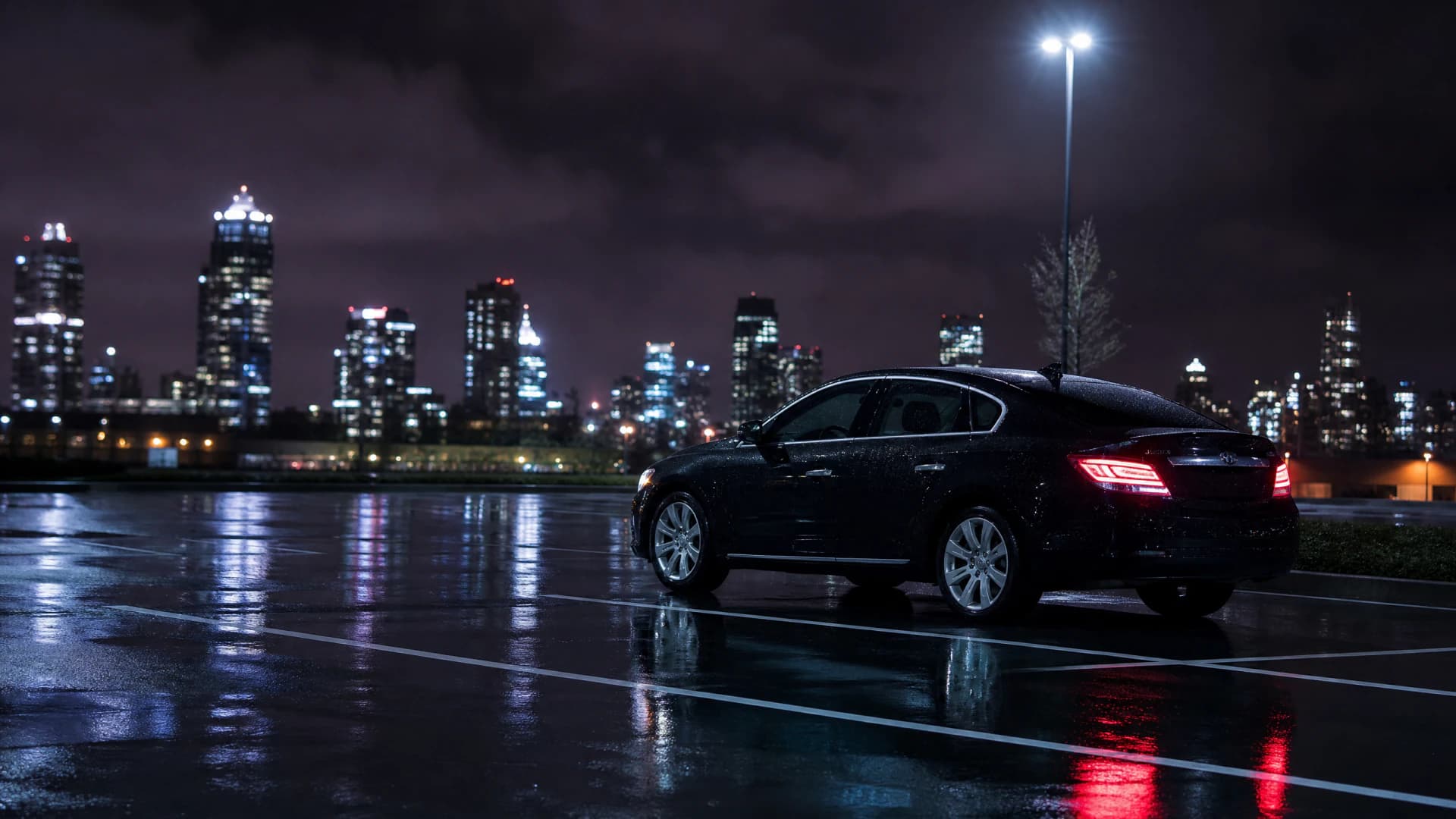
Adding a car does not increase the liability minimums North Carolina requires, but it does re-rate your policy and may expose gaps if your current limits are already minimal.
Related Articles
Multi-Car Insurance Requirements North Carolina
7/15/2026
North Carolina Minimum Car Insurance
7/15/2026

NC Car Insurance Laws Multi-Car Households
7/15/2026
NC Uninsured Motorist Coverage Explained
7/15/2026

How Much Liability Coverage for Multiple Cars NC
7/15/2026
NC Minimum Liability Coverage Limits
7/15/2026
Proof of Insurance and the DL-123 Form
North Carolina does not use SR-22 continuous-filing certificates. Instead, the state requires a DL-123 certificate of liability insurance, which is a one-time proof document your carrier provides when you register a vehicle, restore a suspended license, or apply for a court-granted Limited Driving Privilege. The DL-123 is valid for 30 days from issuance and must show you carry at least $50,000/$100,000/$50,000 liability coverage.
When you add a vehicle to your policy, your carrier does not file a DL-123 automatically unless you're in a restoration or privilege situation. You present the DL-123 to the DMV when you register the new car, and the DMV verifies your coverage meets the minimums. If you own multiple vehicles, each one requires proof of coverage at registration, but you do not need separate policies or separate DL-123 forms for each car if they're all on the same policy. One policy covering all your vehicles satisfies the proof requirement for every registration.
The DL-123A is the non-owner certification of exemption, used when you do not own a vehicle but need to prove financial responsibility. Multi-car households do not use the DL-123A; you use the standard DL-123 showing your policy covers the vehicles you own.
11.8%
North Carolina Uninsured Motorist Rate
Roughly one in nine drivers in North Carolina carries no insurance, making uninsured motorist coverage a practical necessity for households with multiple vehicles and higher asset exposure.
Insurance Information Institute, 2023

How Adding a Vehicle Re-Rates Your Policy
When you add a car mid-term, your carrier re-rates the entire policy rather than simply adding a flat amount for the new vehicle. The re-rating reflects the new car's risk profile, the household's total vehicle count, and any multi-car discount the carrier applies. North Carolina carriers typically offer a multi-car discount when you insure two or more vehicles on the same policy, but the discount structure and the net premium change depend on the carrier and the vehicles involved.
The re-rating happens immediately when you add the car, and your premium adjusts for the remaining term. If you're adding a higher-risk vehicle or a car driven by a younger household member, the re-rating can produce a larger increase than you'd expect from simply adding one more car. Conversely, if the new car qualifies for a multi-car discount and the household's overall risk profile improves, the per-vehicle cost may drop even as the total premium rises.
Compare Carriers That Write Multi-Car Policies in North Carolina
North Carolina's minimum liability and uninsured motorist requirements apply to every vehicle you own, but the cost of meeting those requirements varies significantly by carrier, vehicle, and household structure. When you're adding a second or third car, compare carriers that write multi-car policies in North Carolina and evaluate both the total premium and the per-vehicle cost after any multi-car discount applies. Carriers licensed in North Carolina include Allstate, Geico, Progressive, State Farm, Nationwide, Farmers, USAA, Travelers, and others, each with different multi-car discount structures and underwriting rules for households with multiple vehicles.
Use the site's comparison tool to see which carriers offer the best combination of coverage and cost for your household's vehicle count, driver profile, and coverage selections. The tool pulls quotes from carriers writing in North Carolina and shows you the total premium and per-vehicle breakdown, so you can make an informed decision about where to place your multi-car policy.
Uninsured Motorist Coverage Applies to Every Vehicle
When you add a second or third car, your carrier extends uninsured motorist coverage to that vehicle automatically at the same limits you carry for liability. North Carolina does not allow you to decline uninsured motorist coverage unless you reject it in writing, and the rejection applies to your entire policy, not to individual vehicles. If you carry $50,000/$100,000 liability, your uninsured motorist coverage must match those limits across all cars on the policy.
This matters for multi-car households because uninsured motorist coverage protects you when another driver causes an accident and lacks insurance to pay your claim. North Carolina's uninsured motorist rate is 11.8 percent, meaning roughly one in nine drivers on the road carries no coverage. If you're hit by an uninsured driver while driving any car on your policy, your uninsured motorist coverage responds. The coverage follows the policy, not the individual vehicle, so adding cars does not require separate uninsured motorist decisions for each one.
Get Your Free Quote
Get My North Carolina Car Insurance QuoteFrequently Asked Questions
Do I need separate insurance policies for each car I own in North Carolina?
No. North Carolina allows you to insure multiple vehicles on one policy, and most carriers offer a multi-car discount when you do. Each vehicle is listed separately on the policy, but the liability and uninsured motorist coverage applies per accident, not per vehicle.
Does adding a second car to my North Carolina policy increase the liability minimums I must carry?
No. North Carolina's $50,000/$100,000/$50,000 minimums apply per accident regardless of how many vehicles you own. Adding a car re-rates your policy and may increase your premium, but it does not change the minimum liability limits the state requires.
What is the DL-123 form and do I need one for each vehicle?
The DL-123 is North Carolina's certificate of liability insurance, valid for 30 days from issuance. You present it to the DMV when you register a vehicle or restore a license. If all your vehicles are on the same policy, one DL-123 showing that policy satisfies the proof requirement for every car you register.
Can I decline uninsured motorist coverage on some vehicles but not others?
No. North Carolina requires uninsured motorist coverage at the same limits as your liability coverage, and the requirement applies to your entire policy. You can reject uninsured motorist coverage in writing, but the rejection applies to all vehicles on the policy, not to individual cars.
How does the multi-car discount work in North Carolina?
Most North Carolina carriers offer a multi-car discount when you insure two or more vehicles on the same policy. The discount structure varies by carrier, and the net premium depends on the vehicles' risk profiles and the household's driver count. Compare carriers to see which offers the best total cost for your household.
What happens to my coverage if I sell one of my cars mid-term?
When you remove a vehicle from your policy, your carrier re-rates the policy and adjusts your premium for the remaining term. The liability and uninsured motorist coverage continues for the remaining vehicles, and any multi-car discount may change depending on how many cars remain on the policy.