
Multi-Car Insurance for Clean-Record Drivers — North Carolina
Free to compare
Why Clean-Record Multi-Car Households Face a Different Coverage Decision in North Carolina
You own two or more vehicles, every driver in your household has a clean record, and you are deciding whether to combine all vehicles onto one policy or keep them separate. North Carolina's mandatory uninsured-motorist coverage requirement and the DL-123 proof-of-insurance certificate create a structural decision point that clean-record households often misread: the multi-car discount applies only when every vehicle sits on the same policy, but each vehicle must still carry the state's full minimum liability and uninsured-motorist mandate individually.
The structural reality: North Carolina does not use SR-22 continuous-filing certificates. Instead, the state requires a DL-123 certificate of liability insurance—a 30-day-valid proof document issued by a North Carolina-licensed insurer and presented by the driver for original licensure, restoration, or court-granted Limited Driving Privileges. The DL-123 confirms that every vehicle on the policy meets the state's $50,000 per person, $100,000 per accident bodily injury, and $50,000 property damage minimums, plus mandatory uninsured-motorist coverage. When you combine multiple vehicles onto one policy, the carrier issues a single DL-123 listing all vehicles, and the multi-car discount applies to the combined premium—but only if every vehicle and every driver meet the state's requirements on that one policy.
“When you add a vehicle mid-term, the carrier re-rates the entire policy—every vehicle, every driver, every coverage line—and applies the multi-car discount to the new combined premium.”

Compare North Carolina Car Insurance Quotes Today
Get My North Carolina Car Insurance Quote$50,000/$100,000/$50,000
North Carolina Minimum Liability
North Carolina mandates $50,000 bodily injury per person, $100,000 per accident, and $50,000 property damage on every vehicle. Uninsured-motorist coverage is also required at the same limits, raising the per-vehicle coverage floor compared to states without a mandatory UM requirement.
North Carolina General Statutes § 20-309
How North Carolina's Uninsured-Motorist Mandate Changes the Multi-Car Discount Calculation
North Carolina requires uninsured-motorist coverage on every vehicle at the same limits as your liability coverage. This is not optional. The state's 11.8% uninsured-motorist rate—one in nine drivers—drives the mandate. When you combine two or more vehicles onto one policy, the multi-car discount applies to the total premium, but the uninsured-motorist component for each vehicle does not disappear. The discount reduces the combined base premium; it does not exempt any vehicle from the UM requirement.
Clean-record households often assume that adding a second or third vehicle to an existing policy simply adds a flat per-vehicle amount. That is not how multi-car policies re-rate. When you add a vehicle mid-term, the carrier re-rates the entire policy—every vehicle, every driver, every coverage line—and applies the multi-car discount to the new combined premium. The uninsured-motorist coverage for each vehicle is recalculated at the same time. A household with three vehicles on one policy pays less per vehicle than three separate single-vehicle policies, but each vehicle still carries the full state-mandated UM coverage individually.
The structural advantage for clean-record households: carriers writing North Carolina multi-car policies price the uninsured-motorist component based on the combined risk profile of every driver on the policy. When every driver has a clean record, the UM premium per vehicle is lower than it would be for a household with one or more drivers carrying violations. The multi-car discount amplifies this advantage—you pay less per vehicle because the carrier prices the combined household risk, and you pay less per vehicle again because no driver on the policy elevates the UM rate.
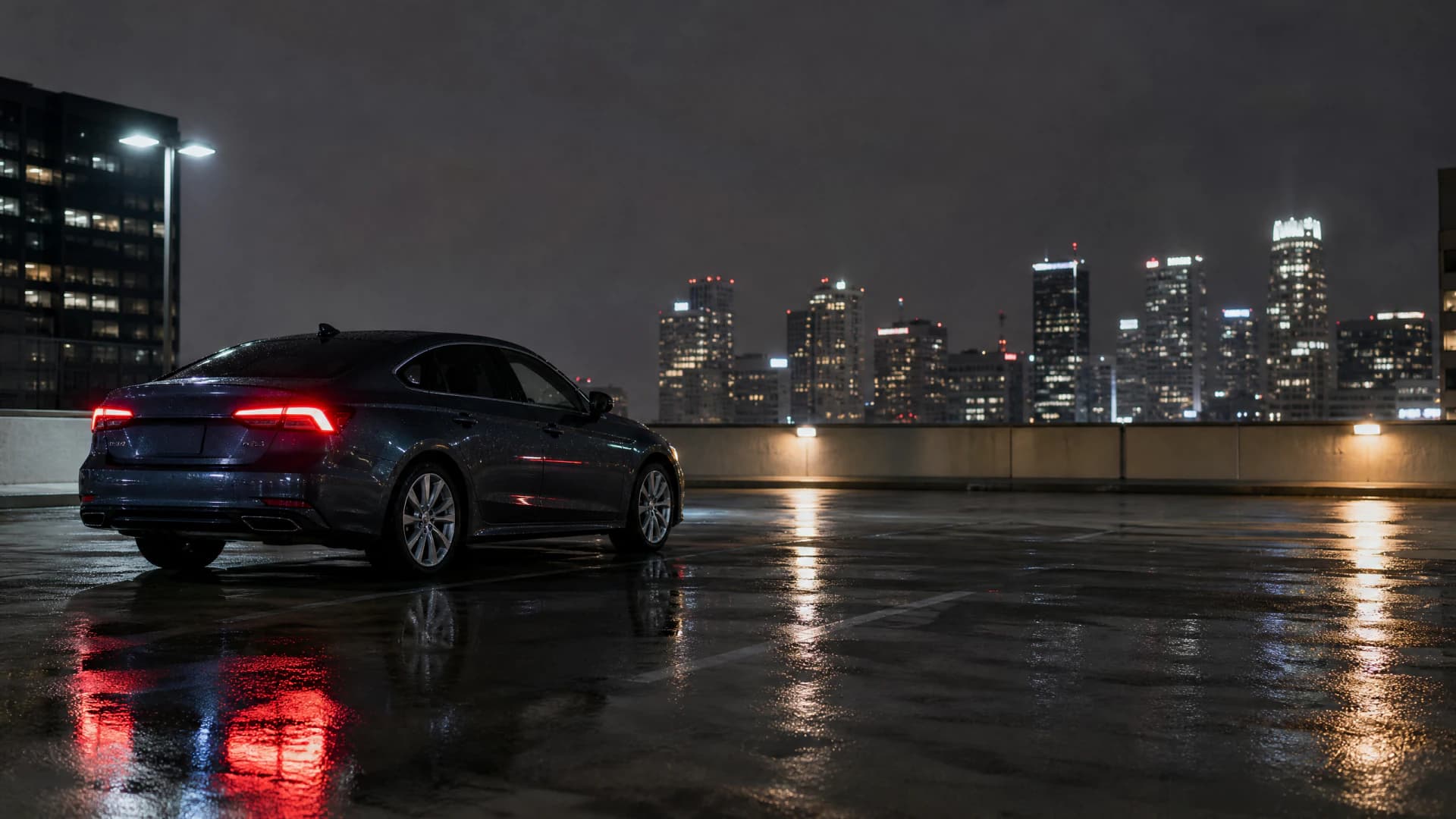
The multi-car discount applies only when every vehicle sits on the same policy. A vehicle titled to a household member on a different policy does not count toward the discount, even if both policies are with the same carrier.
Related Articles



How Adding or Removing a Vehicle Mid-Term Re-Rates the Entire Policy
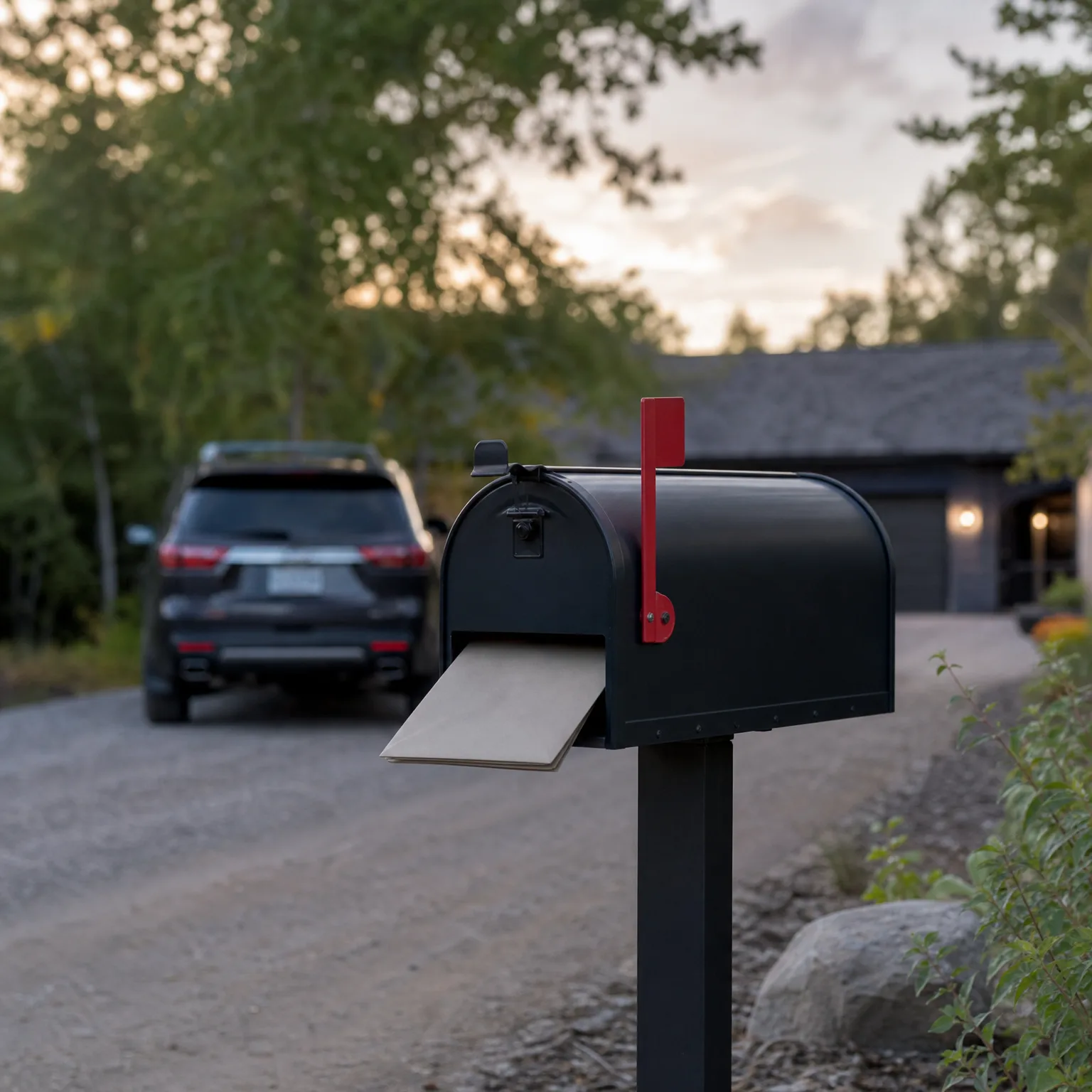
When you add a vehicle to an existing North Carolina multi-car policy, the carrier does not simply add a flat per-vehicle premium to your current bill. The carrier re-rates the entire policy: every vehicle, every driver, every coverage line. The multi-car discount is recalculated based on the new vehicle count. The uninsured-motorist coverage for each vehicle is recalculated based on the new combined risk profile. The liability premium for each vehicle is recalculated based on the new total exposure.
This re-rating happens mid-term, not at renewal. If you add a vehicle three months into your policy term, the carrier calculates the new premium for the remaining nine months and adjusts your next bill accordingly. The adjustment is not always proportional—adding a third vehicle to a two-vehicle policy often produces a smaller per-vehicle premium increase than adding a second vehicle to a one-vehicle policy, because the multi-car discount scales with vehicle count.
The same re-rating happens when you remove a vehicle. If you sell a car or move it to a different policy, the carrier recalculates the premium for the remaining vehicles without the multi-car discount applied to the removed vehicle. The per-vehicle cost for the remaining vehicles may increase, because the discount now applies to fewer vehicles. Clean-record households removing a vehicle mid-term should request a re-quote before finalizing the removal—the per-vehicle cost after removal may be higher than expected.
11.8%
North Carolina Uninsured Motorists
One in nine North Carolina drivers operates without insurance. The state's mandatory uninsured-motorist coverage requirement exists because of this rate. Clean-record households with multiple vehicles benefit from lower UM premiums per vehicle when every driver on the policy has no violations.
Insurance Research Council, 2023
Which Carriers Write Multi-Car Policies for Clean-Record Households in North Carolina
Nineteen carriers write auto insurance in North Carolina and are licensed to issue the DL-123 certificate. Not all of them offer competitive multi-car discounts for clean-record households. State Farm, GEICO, Progressive, Allstate, and Nationwide write the majority of multi-vehicle policies in the state. Each prices the multi-car discount differently: some apply a flat percentage reduction per vehicle after the first, others tier the discount by total vehicle count, and a few adjust the discount based on the combined liability limits across all vehicles.
Clean-record households comparing carriers should request quotes that include the full state-mandated uninsured-motorist coverage on every vehicle. Some carriers quote minimum liability without UM by default, then add the UM component as a separate line item. That structure makes it harder to compare total premiums across carriers. Request quotes that include $50,000/$100,000/$50,000 liability plus matching UM limits on every vehicle, and confirm that the multi-car discount appears as a line item on the quote.
Compare Carriers Writing Your Household's Vehicles
You now understand how North Carolina's uninsured-motorist mandate and the DL-123 proof requirement interact with the multi-car discount structure. The next step: compare carriers that write multi-vehicle policies for clean-record households in North Carolina. Request quotes from at least three carriers, confirm that every quote includes the state's mandatory UM coverage on every vehicle, and verify that the multi-car discount appears as a separate line item. The carrier that offers the lowest per-vehicle premium after the discount is applied is the one that prices your household's combined risk profile most competitively.
What the DL-123 Certificate Requires When You Combine Multiple Vehicles
The DL-123 is valid for 30 days from issuance. It is not a continuous-filing certificate like an SR-22—the carrier does not file it with the North Carolina Division of Motor Vehicles on an ongoing basis. You present the DL-123 to the DMV when you register a vehicle, renew your license, or apply for a Limited Driving Privilege. When you add a vehicle to an existing multi-car policy, the carrier issues an updated DL-123 that includes the new vehicle. If you remove a vehicle from the policy, the carrier issues a new DL-123 that no longer lists that vehicle.
The structural consequence for multi-car households: every vehicle on the policy must meet North Carolina's minimum liability and uninsured-motorist requirements at the time the DL-123 is issued. If one vehicle on the policy does not meet the minimums—for example, a classic car insured with collector coverage that does not include liability—the carrier cannot issue a DL-123 for that vehicle, and it does not qualify for the multi-car discount. The vehicle must either be moved to a separate policy or upgraded to meet the state's requirements.
Get Your Free Quote
Get My North Carolina Car Insurance QuoteFrequently Asked Questions
Does the multi-car discount apply if my spouse and I each have our own policy with the same carrier?
No. The multi-car discount applies only when every vehicle sits on the same policy. Two separate policies with the same carrier do not qualify for the discount, even if both policyholders live at the same address. You must combine both vehicles onto one policy to receive the discount.
What happens to my multi-car discount if I sell one of the vehicles on my policy?
The carrier recalculates your premium for the remaining vehicles without the multi-car discount applied to the removed vehicle. The per-vehicle cost for the remaining vehicles may increase, because the discount now applies to fewer vehicles. Request a re-quote before finalizing the sale to understand the new per-vehicle premium.
Can I add a vehicle to my North Carolina policy if it is titled to someone outside my household?
Most carriers require that every vehicle on a multi-car policy be titled to a household member listed on the policy. A vehicle titled to someone outside the household—such as an adult child living elsewhere—typically cannot be added to your policy and does not qualify for the multi-car discount. The vehicle must be on a separate policy in the owner's name.
Does North Carolina require uninsured-motorist coverage on every vehicle I insure?
Yes. North Carolina mandates uninsured-motorist coverage at the same limits as your liability coverage on every vehicle. This is not optional. When you combine multiple vehicles onto one policy, each vehicle must carry the full UM requirement individually, and the multi-car discount applies to the combined premium including UM.
How long is the DL-123 certificate valid after my carrier issues it?
The DL-123 certificate is valid for 30 days from issuance. You present it to the North Carolina Division of Motor Vehicles when you register a vehicle, renew your license, or apply for a Limited Driving Privilege. If you add or remove a vehicle from your policy, your carrier issues an updated DL-123 reflecting the current vehicle list.
Will adding a third vehicle to my two-vehicle policy cost less per vehicle than adding a second vehicle to a one-vehicle policy?
Often, yes. The multi-car discount typically scales with vehicle count—the per-vehicle reduction is larger when you add a third vehicle than when you add a second. The exact discount structure varies by carrier. Request a quote that shows the per-vehicle premium before and after adding the third vehicle to compare the discount scaling.