
Comparing Car Insurance Quotes — North Carolina
Free to compare
Why Multi-Car Households Compare Differently
You own two or more vehicles and you're comparing car insurance quotes in North Carolina. The advertised rate you see online applies to a single driver with one car—not to a household insuring multiple vehicles on one policy. The multi-car discount changes the math, but only if every vehicle you own sits on the same policy and meets the carrier's same-household requirements.
North Carolina requires $50,000 per person and $100,000 per accident in bodily injury liability, plus $50,000 in property damage liability. Uninsured motorist coverage is mandatory. When you add a second or third vehicle, you're not simply doubling the single-car premium—you're re-rating the entire policy based on every driver, every vehicle, and the garaging address for each car. The comparison you need is carrier-to-carrier on the full household structure, not vehicle-by-vehicle on isolated quotes.
“A smaller discount on a lower base rate can beat a larger discount on a higher one—compare the total household premium, not the per-vehicle breakdown.”
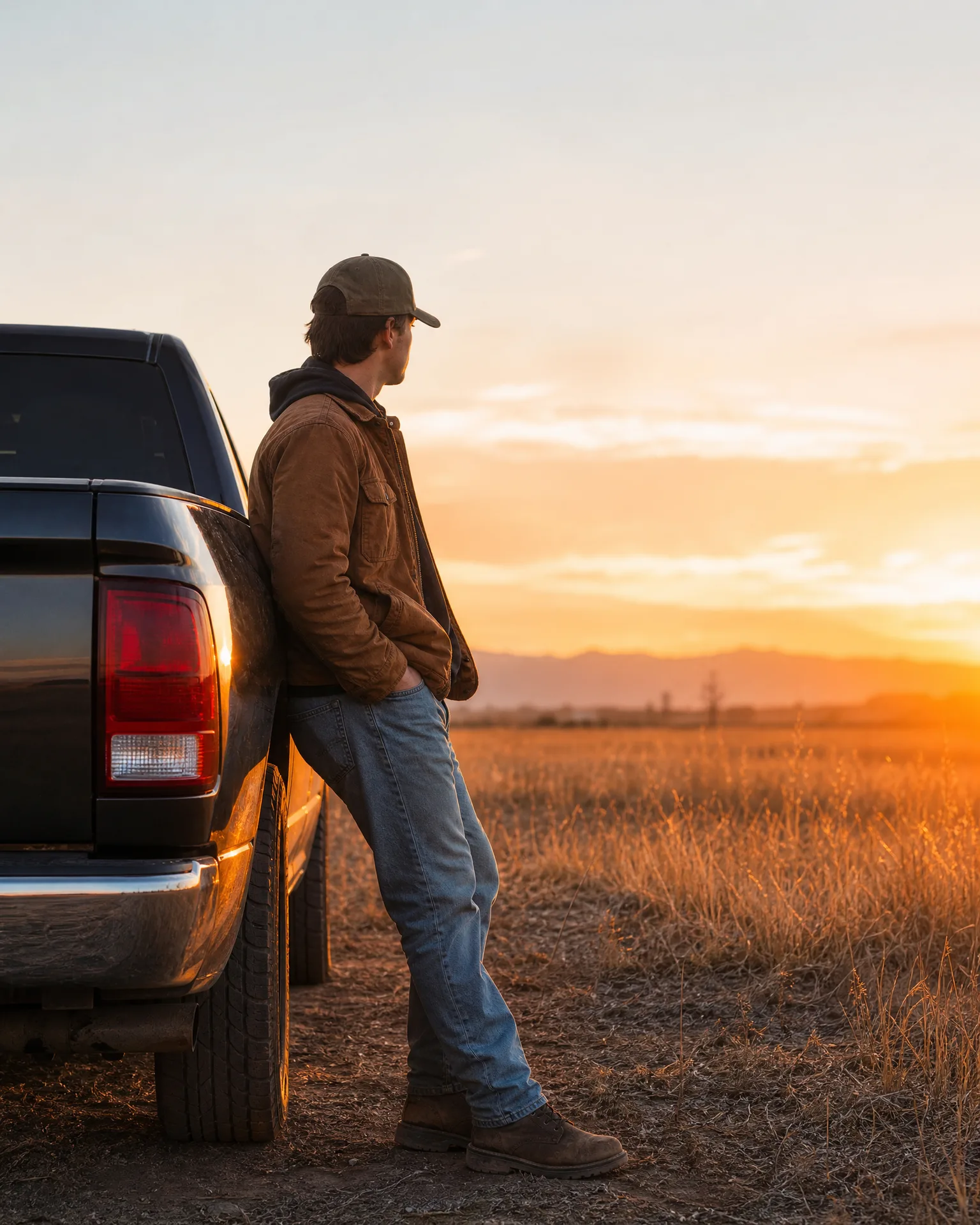
Compare North Carolina Car Insurance Quotes Today
Get My North Carolina Car Insurance Quote$50,000/$100,000/$50,000
North Carolina Liability Minimums
North Carolina mandates $50,000 bodily injury per person, $100,000 per accident, and $50,000 property damage. Uninsured motorist coverage is required at the same limits. These minimums apply to every vehicle on your policy.
North Carolina General Statutes § 20-279.21
The Multi-Car Discount Requires One Policy
The multi-car discount—sometimes called a multi-vehicle discount—applies when you insure two or more vehicles on a single auto insurance policy. It does not apply when you carry separate policies for each car, even if both policies are with the same carrier. The discount typically reduces the premium on the second and subsequent vehicles, but the exact structure varies by carrier.
Most carriers require that every vehicle be titled or registered to the same household and garaged at the same address. A car titled to a household member who maintains a separate policy does not qualify for your multi-car discount. If you recently married or moved in with someone who has their own policy, combining into one shared policy is usually the path to the discount—but not always the lowest total cost, because re-rating can change the base premium for both drivers.
When you request quotes, specify every vehicle you intend to insure and every driver in the household. A quote that omits a vehicle or a driver will not reflect the actual premium once you add them mid-term. Carriers re-rate the entire policy when you add a vehicle, and the increase is not simply the cost of insuring that one additional car.
The multi-car discount only applies when every vehicle sits on one policy. Separate policies—even with the same carrier—do not qualify.
Comparing Carriers That Write Multi-Car Policies in North Carolina
North Carolina has 19 major carriers writing auto insurance in the state. Allstate, Geico, Progressive, State Farm, and Farmers all write multi-car policies and offer online quoting. USAA writes for eligible military families. Dairyland, Direct Auto, National General, and The General write non-standard auto insurance and serve drivers with violations or lapses, but also write standard multi-car policies.
When you compare quotes, request the same coverage limits and deductibles from every carrier. A $500 deductible quote from one carrier is not comparable to a $1,000 deductible quote from another. Specify whether you want liability-only coverage (meeting the state minimums) or full coverage, which adds collision and comprehensive to protect your own vehicles.
Carriers calculate the multi-car discount differently. Some apply a percentage reduction to the second vehicle; others reduce the base rate across all vehicles. A smaller discount on a lower base rate can beat a larger discount on a higher one. The only way to know is to compare the total household premium, not the per-vehicle breakdown.
If you're adding a teenage driver to the household policy, expect the premium to increase substantially. Teen drivers are rated as high-risk regardless of the vehicle they drive. Some carriers offer usage-based or telematics programs that monitor driving behavior and adjust the premium based on actual mileage and habits—these can reduce the teen surcharge if the driver demonstrates safe patterns.
19 carriers
Major Carriers Writing in NC
North Carolina has 19 major auto insurance carriers writing policies in the state, including standard, preferred, and non-standard tiers. Comparing quotes across multiple carriers is the only way to identify the lowest total household premium for your vehicle count and driver profile.
What Drives Premium Differences Across Carriers
North Carolina allows carriers to use credit-based insurance scores, driving history, age, vehicle type, garaging ZIP code, annual mileage, and coverage selections to calculate premiums. Two households with identical vehicle counts can receive vastly different quotes based on these factors. A household in Charlotte will not pay the same premium as a household in Asheville, even for the same vehicles and coverage.
Carriers weight these factors differently. One carrier may penalize a prior at-fault accident more heavily; another may give more credit for a clean driving record. If one driver in the household has a recent violation—a speeding ticket, an at-fault accident, or a DUI—some carriers will surcharge that driver more than others. Comparing quotes from at least three carriers is the only way to find which one prices your specific household profile most favorably.
Request Quotes for Your Full Household Structure
When you request quotes, provide accurate information for every vehicle and every driver in the household. Omitting a driver or a vehicle to get a lower quote will backfire when you add them later—the carrier will re-rate the entire policy, and the premium will jump. If a household member does not drive one of the vehicles, tell the carrier; some allow you to exclude a driver, which can lower the premium if that driver has a poor record.
Specify the garaging address for each vehicle. If one car is garaged at a different address—for example, a college student's car parked at school—the carrier needs to know. Garaging location affects theft risk, collision frequency, and the premium calculation. Misrepresenting the garaging address is grounds for claim denial.
Compare the total annual or six-month premium, not the monthly payment. Some carriers offer monthly payment plans with installment fees; others charge the full six-month premium upfront. The lowest monthly payment is not always the lowest total cost. Ask each carrier for the six-month or annual total, then divide by the number of months to compare accurately.
How North Carolina's DL-123 Certificate Affects Coverage Start
The DL-123 is a certificate provided by a North Carolina-licensed insurer and presented by the driver to the Division of Motor Vehicles. It is valid for 30 days from issuance. Unlike an SR-22, which the insurer files continuously with the state, the DL-123 is a one-time proof document you obtain from your carrier and submit yourself. Statutory basis is North Carolina General Statutes § 20-309.
When comparing quotes for multiple vehicles, confirm that the carrier is licensed to write auto insurance in North Carolina and can issue the DL-123 if you need it for registration or reinstatement. Not every carrier writing in the state offers the DL-123 certificate. If you're adding a newly-purchased vehicle to an existing policy, the DL-123 for that vehicle must be issued before you can register it with the DMV.
Get Your Free Quote
Get My North Carolina Car Insurance QuoteFrequently Asked Questions
Do I need separate policies for each car in North Carolina?
No. Most households insure all their vehicles on one auto insurance policy to qualify for the multi-car discount. Separate policies—even with the same carrier—do not trigger the discount and usually cost more in total.
How does the multi-car discount work in North Carolina?
The multi-car discount reduces the premium when you insure two or more vehicles on a single policy. The discount typically applies to the second and subsequent vehicles. Every vehicle must be titled or registered to the same household and garaged at the same address to qualify.
What is the DL-123 certificate in North Carolina?
The DL-123 is a certificate of insurance issued by a North Carolina-licensed carrier and presented by the driver to the DMV. It proves you carry the state's required liability minimums. North Carolina does not use SR-22 certificates; the DL-123 serves the same proof-of-insurance function.
How many car insurance quotes should I compare in North Carolina?
Compare quotes from at least three carriers. Carriers weight driving history, credit, vehicle type, and location differently, so the lowest quote for one household may not be the lowest for another. Request quotes with identical coverage limits and deductibles to compare accurately.
Can I add a vehicle to my policy mid-term in North Carolina?
Yes. When you add a vehicle mid-term, the carrier re-rates the entire policy based on the new vehicle count, not just the cost of the additional car. You must obtain a DL-123 certificate for the new vehicle before you can register it with the North Carolina DMV.
Does North Carolina require uninsured motorist coverage?
Yes. North Carolina requires uninsured motorist coverage at the same limits as your bodily injury liability coverage—$50,000 per person and $100,000 per accident minimum. This coverage protects you if you're hit by a driver with no insurance.
What happens if I misrepresent the garaging address on my policy?
Misrepresenting the garaging address is grounds for claim denial. Carriers calculate premiums based on where each vehicle is parked overnight, which affects theft and collision risk. If a vehicle is garaged at a different address than stated on the policy, the carrier can refuse to pay a claim.